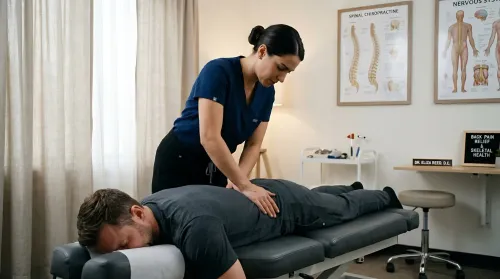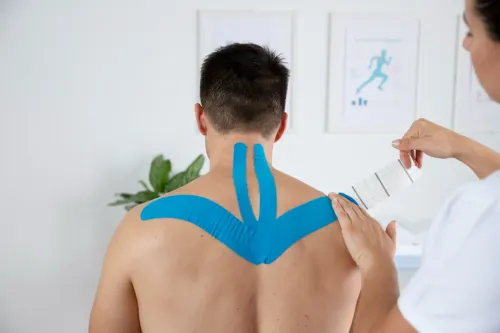
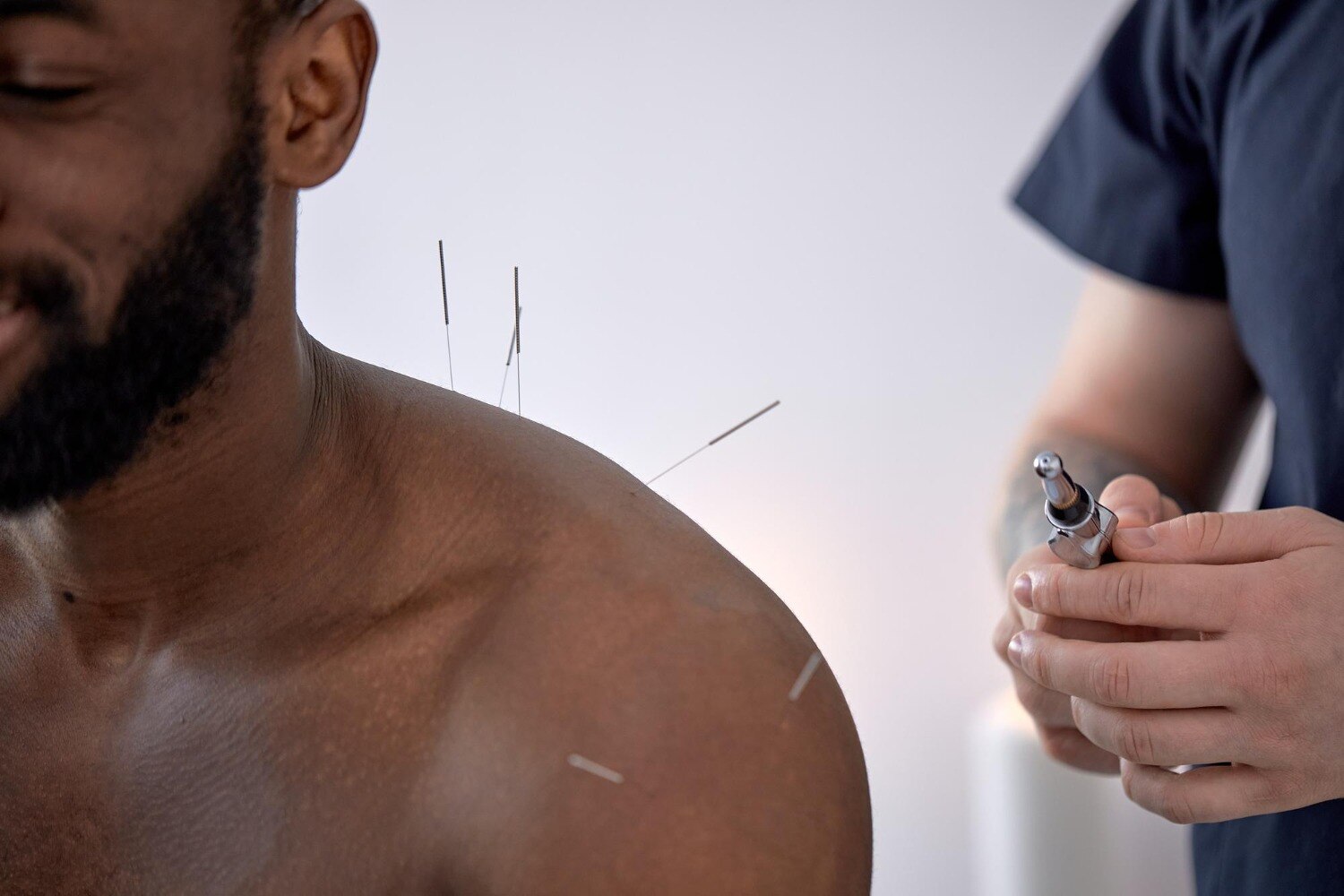
Needling and exercise address different problems: needling may settle short-term muscle pain or sensitivity, while structured exercise builds the strength, control and capacity that help reduce injury risk. You will be able to match each option to your symptoms, sport and training load, then identify what a credible prevention plan should include.
Key takeaways
- Use progressive strength and load management as your prevention foundation.
- Treat needling as symptom support, not a substitute for training.
- Include strength, balance, coordination, aerobic fitness and sport-specific drills.
- Progress gradually and track pain, performance and recovery between sessions.
Why Exercise Is Usually the Foundation of Injury Prevention
Exercise is the better-supported foundation for sports injury prevention. Prevention means managing training load, building strength and aerobic capacity, improving balance and coordination, and preparing for sport-specific movements.
A 2014 meta-analysis of 25 randomized trials found about 66% fewer sports injuries with strength training and about 45% fewer with proprioceptive exercise; stretching alone showed no meaningful protective effect.
| Option | Main target | Prevention value |
|---|---|---|
| Progressive exercise | Tissue capacity, movement control and sport tolerance | Builds readiness for running, jumping, landing and changing direction before injury |
| Dry needling | An existing painful or tight muscle | May reduce short-term pain, tenderness or muscle sensitivity, but does not build strength or control |
| Stretching alone | Flexibility | Not a substitute for strength, balance or neuromuscular training |
Dry needling targets a current muscle problem. Preventive exercise changes how your tissues tolerate force and how you control movement under fatigue.
A search for sports injury prevention needling should distinguish symptom management from injury prevention. Research has not established that needling lowers future ACL, hamstring, ankle or overuse injury rates, so it is an adjunct at most.
For needling or exercise for sports injury prevention bellandur, choose progressive exercise as the core plan and use needling only when a painful or sensitive muscle is limiting training, alongside loading that addresses the underlying deficit.
When Needling May Help—and When You Need a Training Plan
Needling fits athletes with persistent trigger-point pain or restricted movement that interferes with training; it is short-term symptom management, not a diagnosis or universal prevention method. The search term needling sports injury prevention bellandur should not decide your treatment.
| Finding | Main response | Role of needling |
|---|---|---|
| Pain or muscle sensitivity | Identify the painful structure and modify provoking work | Possible short-term aid |
| Weakness | Progressive resistance and sport-specific loading | Does not replace strength |
| Measured range-of-motion deficit | Mobility work, then strength through the available range | May briefly ease restriction |
| Poor landing or cutting mechanics | Movement retraining under increasing speed and fatigue | Does not correct technique alone |
| Sudden increase in distance, intensity or competition | Reduce or reorganise workload and recovery | Does not fix a training error |
For athletes searching needling for athletes bellandur, clarify the technique. Dry needling generally uses a solid filiform needle for myofascial trigger points; acupuncture is a broader practice, so ask which method and goal are proposed.
Consent should cover bruising, minor bleeding, soreness, dizziness and fatigue. Needling near the chest wall, upper trapezius or periscapular region carries a rare pneumothorax risk, making anatomical skill and safe technique essential.
An assessment at Apex Physiotherapy can connect symptoms to your sport demands, compare findings with training changes, and decide whether needling belongs alongside loading rather than instead of it. Choose based on weakness, movement, mechanics and workload findings—not a search phrase.
Related services
Needling Needling Needling is an effective physiotherapy technique used to relieve muscle pain, reduce tension, improve mobility, and accelerate recovery from... |
Sports Rehabilitation Sports Rehabilitation is a specialized physiotherapy program designed to help athletes and active individuals recover from injuries, improve... View service → |
The Exercise Components That Build Injury Resistance
A complete exercise-based prevention programme starts with a dynamic warm-up that raises body temperature and rehearses running, balance and changes of direction. It then builds the strength, control, conditioning and movement skill your sport demands.
- Use progressive resistance training for the muscles and tissues exposed to sport, including calf strength, hamstring strength and eccentric control.
- Include Nordic hamstring exercises; a systematic review and meta-analysis found programmes containing them reduced hamstring injuries by about 51%.
- Develop hip and trunk control, then practise landing, deceleration and cutting mechanics.
- Address mobility restrictions that alter technique. Flexibility work alone is not equivalent to neuromuscular training.
- Add aerobic conditioning when fatigue changes your technique, and increase training volume and intensity gradually.
- Schedule recovery between hard sessions, including at least planned rest days.
FIFA 11+ provides a practical model by combining running, balance, strength, plyometrics and cutting drills; reviews report roughly 30–50% fewer injuries when teams perform it regularly. After a previous injury, progress from controlled strength and balance to running, jumping, cutting and sport-specific fatigue rather than stopping when pain settles.
For sports injury prevention, needling is not a substitute for that progression: it may change symptoms, but exercise builds tissue capacity and movement control.
How Prevention Changes for Runners, Footballers and Other Athletes
A sport-specific plan in Bellandur changes with movement demands, surfaces, competition dates and your actual weekly workload. Needling may ease a painful muscle, but it does not replace progressive conditioning or prove protection from future injury.
1. Runners need calf and soleus loading, hamstring and hip strength, and single-leg balance. Change mileage gradually, review running form, then add hills or speed exposure in small steps; sudden intensity increases can overload tissues even when distance stays stable.
2. Footballers and other field-sport athletes should use FIFA 11+, repeated-sprint conditioning, Nordic hamstrings, and drills for single-leg landing, deceleration and cutting under fatigue. Progress these demands toward match speed rather than practising them only in a fresh warm-up.
3. Gym users should match resistance volume to recovery, strengthen the trunk and shoulder girdle, and review technique before adding load or training to failure. A heavier programme is not automatically better if sleep, soreness or work commitments already reduce recovery.
4. Racket-sport players should train the calf, quadriceps, hamstrings, hip rotation and trunk control, then practise split-step timing and repeated lateral deceleration. The plan must reflect whether they play singles, doubles, hard court or another available surface.
Sports physiotherapy in Bellandur should account for Bengaluru heat, commute-related scheduling, accessible training surfaces, match calendars and every session already completed that week. There is no Bellandur-specific evidence that needling prevents injury better than exercise. A routine performed once before competition is not equivalent to progressive work completed throughout the season.
How to Choose, Progress and Judge the Right Approach
Choose exercise as the core plan when assessment finds weakness, poor control, low conditioning, limited tissue capacity or a workload mismatch. Use needling only as short-term symptom management when focal muscle pain or sensitivity restricts movement or training.
- Record the pain’s location, onset, aggravating actions and next-day behaviour.
- Compare both sides for strength, balance and range of motion.
- Review recent changes in training load, footwear, surface, sleep and competition.
- Identify previous injuries and test the sport-specific task that provokes symptoms.
- Ask for measurable milestones: calf raises, Nordic progression, single-leg landing quality, sprint volume, next-day pain response and return to full practice.
| Option | What it changes | When it applies |
|---|---|---|
| Exercise | Strength, control, conditioning, tissue capacity and tolerance | Weakness, poor mechanics, reduced capacity or excessive workload |
| Needling | Short-term pain, tenderness or muscle sensitivity | Focal muscle symptoms limiting movement or training |
| No intervention alone | Does not correct an untested diagnosis | Stop and reassess if symptoms or mechanics worsen |
The clinician should explain needling’s goal, technique, risks such as bruising, bleeding or dizziness, and follow-up loading plan. Progress volume, speed, jumping and cutting one step at a time; reduce load when pain or mechanics deteriorate.
A search for needling sports injury prevention bellandur or needling or exercise for sports injury prevention bellandur should end with the same answer: no established Bellandur-specific evidence shows needling prevents injury better than exercise. A documented assessment, progressive programme and return-to-sport plan are stronger criteria.
Frequently asked questions
Is exercise better than needling for sports injury prevention?
Exercise is usually the foundation because it builds strength, aerobic capacity, balance, coordination and tolerance to training load. Needling may help manage pain or muscle symptoms, but it does not replace a progressive training plan.
When might needling help an athlete?
Needling may help when pain, muscle tightness or restricted movement limits training. Use it alongside rehabilitation and strength work rather than as a standalone prevention strategy.
What exercises help prevent sports injuries?
A prevention plan should include progressive strength training, balance and coordination drills, aerobic conditioning, mobility where needed, and movements that match the demands of your sport.
How should runners and footballers change injury prevention?
Runners need gradual mileage and intensity changes, calf and hip strength, and running-specific drills. Footballers need those foundations plus sprinting, deceleration, cutting, landing and contact preparation.
How do you judge whether a prevention approach is working?
Track pain during and after training, strength, movement quality, performance and recovery. Progress the plan when you tolerate the current workload without worsening symptoms.
Keywords