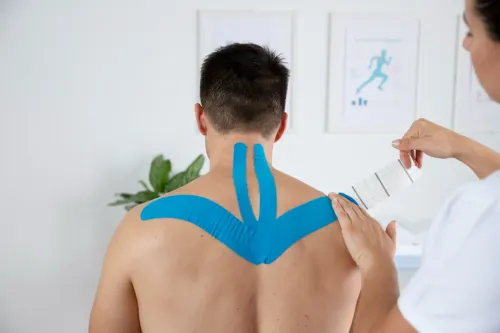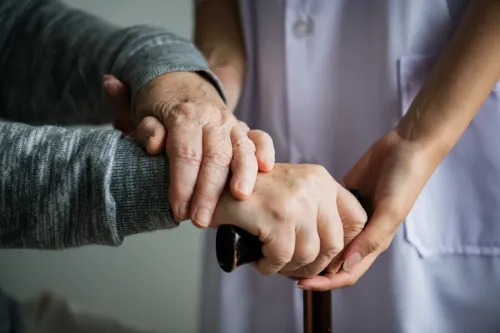

A sports injury can affect much more than the injured muscle, ligament, or joint. Reduced movement during recovery may lead to stiffness, weakness, loss of balance, reduced endurance, and hesitation when returning to sport. This is why sports injury rehabilitation and conditioning usually involves more than simply waiting for pain to settle.
For active individuals in Bengaluru, including recreational runners, gym-goers, cyclists, badminton players, footballers, and competitive athletes, a structured rehabilitation plan can help rebuild the physical abilities required for their activity.
What Does Sports Injury Rehabilitation Involve?
Rehabilitation generally begins with an assessment of the injured area and the movements affected by it. The physiotherapist may examine mobility, muscle strength, balance, movement control, functional limitations, and sport-specific requirements.
Depending on the injury and stage of recovery, rehabilitation may include:
- Mobility and flexibility exercises
- Progressive strengthening
- Balance and proprioception training
- Movement retraining
- Core and lower-limb conditioning
- Gradual loading of injured tissues
- Sport-specific drills
- Guidance on returning to training
Conditioning becomes particularly important once basic movements become comfortable. An athlete may be able to walk without pain but still lack the strength or control needed for sprinting, jumping, changing direction, or lifting.
Why a Gradual Return Matters
Returning to full activity too quickly can place demands on tissues that have not yet regained adequate capacity. On the other hand, unnecessary inactivity may contribute to deconditioning.
A progressive programme bridges this gap. The rehabilitation plan can move from controlled exercises to increasingly demanding movements based on individual progress.
For example, a runner recovering from a knee injury may progress from strength exercises to controlled jogging and later to longer running sessions. A football player may require additional acceleration, deceleration, agility, and directional-change exercises.
Recovery Is Different for Every Athlete
The same diagnosis does not always produce the same rehabilitation timeline. Age, previous injuries, fitness level, severity of injury, sport, training demands, and recovery response can all influence progression.
At Apex Physiotherapy in Bengaluru, sports rehabilitation can be structured around the individual's current functional ability and activity goals rather than relying solely on a fixed timeline.
Successful recovery is not simply about reaching a pain-free state. The broader objective is to restore mobility, strength, confidence, control, and physical capacity so that returning to sport or exercise happens progressively and responsibly.
Keywords