Muscle pain that lingers for weeks or keeps returning after physical activity can affect every aspect of daily life. Whether it develops from a sports injury, repetitive movements at work, poor posture, or prolonged sitting, persistent muscle tightness often reduces flexibility and makes even simple tasks uncomfortable. While painkillers may provide temporary relief, they do not always address the underlying muscle dysfunction causing the problem.
Dry needling has become an increasingly recognized physiotherapy technique for managing muscular pain and movement restrictions. When combined with therapeutic exercises and rehabilitation, it can help restore muscle function and improve mobility. Apex Physiotherapy Clinic in Bellandur incorporates dry needling as part of a personalized physiotherapy program, ensuring that treatment is tailored to each patient's condition, activity level, and recovery goals.
What Is Dry Needling Physiotherapy Treatment?
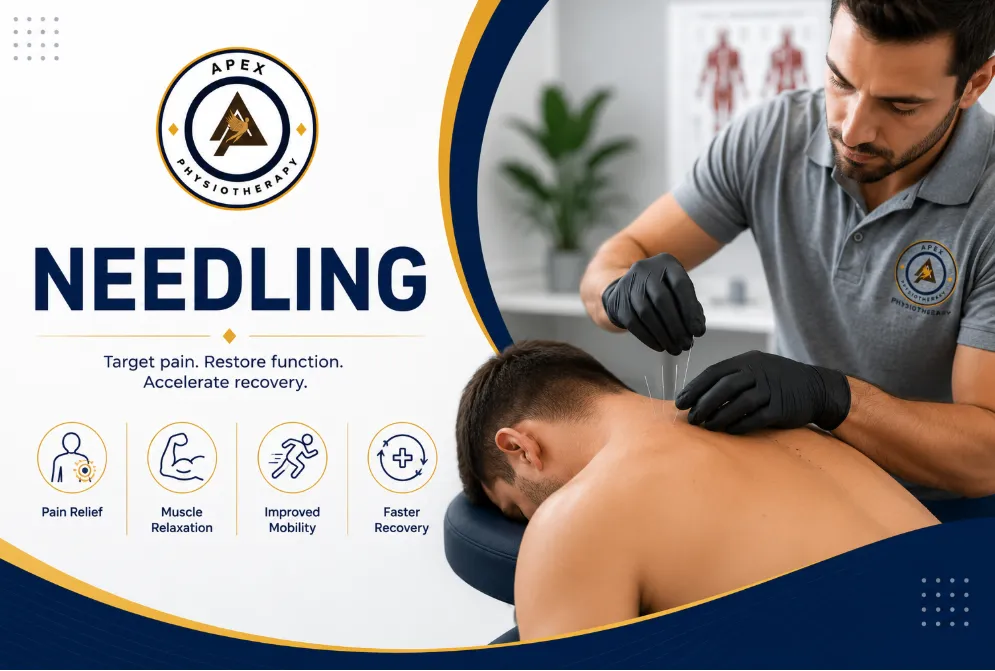
Dry needling is a specialized physiotherapy technique that uses thin, sterile needles to target myofascial trigger points—tight bands of muscle that can cause localized pain or discomfort that spreads to nearby areas.
Unlike injections, no medication is delivered through the needle. Instead, the stimulation helps relax tight muscles, improve blood circulation, and reduce pain caused by trigger points.
Dry needling is always performed after a thorough physiotherapy assessment to determine whether it is the most suitable treatment option.
How Trigger Points Affect Movement
Trigger points develop when muscles remain under continuous stress or fail to recover properly after physical activity.
Common reasons include:
- Sports injuries
- Repetitive workplace movements
- Poor sitting posture
- Muscle overuse
- Long hours of computer work
- Lack of flexibility
- Previous injuries
These tight muscle bands may cause:
- Persistent muscle soreness
- Limited range of motion
- Pain during movement
- Muscle weakness
- Referred pain into surrounding areas
Addressing trigger points can improve both comfort and overall movement quality.
Conditions That May Benefit from Dry Needling
Physiotherapists often include dry needling in treatment plans for conditions such as:
- Neck pain
- Shoulder pain
- Lower back pain
- Tennis elbow
- Muscle strains
- Calf tightness
- Hip pain
- Sports-related muscle injuries
- Myofascial pain syndrome
- Chronic muscular stiffness
The technique is rarely used in isolation and is typically combined with rehabilitation exercises for better long-term outcomes.
What Happens During a Dry Needling Session?
Many patients feel uncertain before their first session because they are unfamiliar with the procedure.
A typical appointment includes:
- A detailed physical assessment.
- Identification of affected muscles and trigger points.
- Insertion of sterile, single-use needles into targeted muscles.
- Observation of the muscle response.
- Gentle stretching or corrective exercises following treatment.
Depending on the condition, several sessions may be recommended as part of a comprehensive rehabilitation plan.
Is Dry Needling Painful?
Most patients describe the sensation as mild and brief. When the needle reaches a trigger point, the muscle may twitch momentarily. This is a normal response and often indicates that the targeted muscle has been activated.
Some temporary soreness similar to post-workout muscle fatigue may occur after treatment, but this generally settles within a day or two.
Dry Needling and Exercise Work Best Together
Although dry needling can reduce muscle tension, lasting improvements depend on restoring healthy movement.
A physiotherapy program may also include:
- Stretching exercises
- Strength training
- Posture correction
- Joint mobility exercises
- Functional rehabilitation
- Ergonomic advice
Combining these approaches helps prevent the same muscles from becoming tight again.
Who Should Consider Dry Needling?
Dry needling may be appropriate if you:
- Experience recurring muscle tightness
- Have sports-related muscle pain
- Notice restricted movement
- Develop pain after prolonged desk work
- Feel persistent knots in your muscles
- Have discomfort that has not improved with rest alone
A professional assessment ensures the treatment is suitable for your condition.
Supporting Long-Term Muscle Health
Managing muscle pain involves more than relieving today's discomfort. Regular stretching, maintaining good posture, staying physically active, and strengthening supporting muscles all contribute to better long-term results.
For many people living and working in Bellandur, combining dry needling with a personalized physiotherapy program provides a practical way to improve mobility while addressing the underlying causes of recurring muscle pain.
If persistent muscle tightness or recurring pain is affecting your daily activities, Apex Physiotherapy Clinic in Bellandur offers personalized dry needling physiotherapy treatment combined with evidence-based rehabilitation to help restore movement, reduce discomfort, and support long-term muscle health.
Keywords