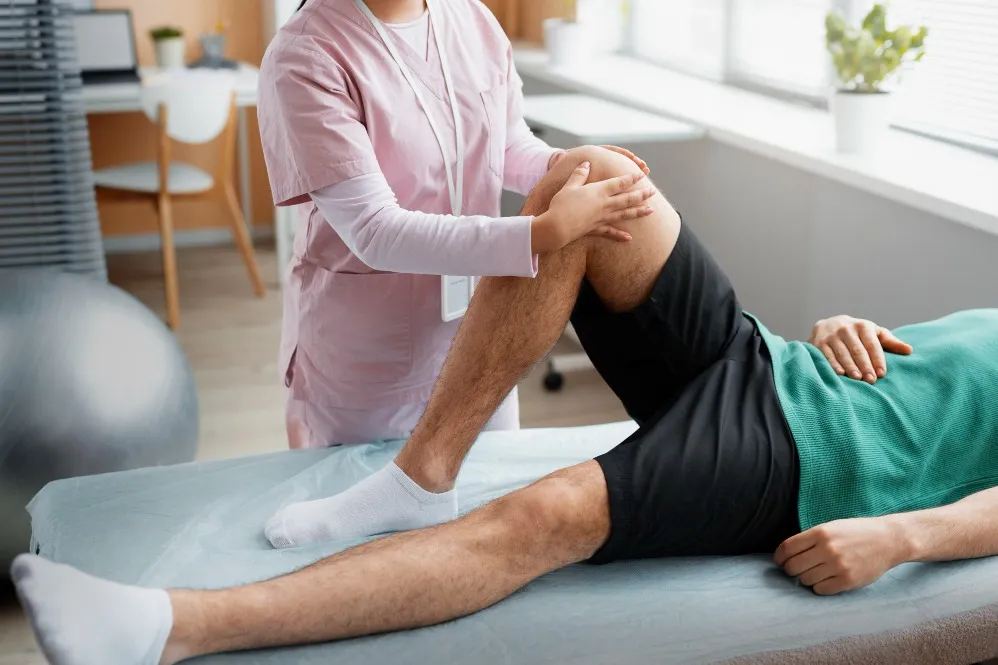
Ligament injuries are among the most common musculoskeletal problems affecting people of all ages. Whether caused by a sports injury, an awkward fall, a twisting movement, or a road accident, damaged ligaments can significantly affect joint stability and limit everyday activities. While many people focus only on reducing pain and swelling, complete recovery depends on restoring strength, balance, and normal movement through structured rehabilitation.
For residents of Bellandur who enjoy sports, fitness, or physically demanding work, recovering from a ligament injury requires more than rest alone. Apex Physiotherapy Clinic provides individualized rehabilitation programs that help patients regain joint stability, improve mobility, and safely return to their normal activities while minimizing the risk of future injuries.
What Is a Ligament Injury?
Ligaments are strong bands of connective tissue that connect one bone to another. They help stabilize joints and control movement.
When excessive force stretches or tears a ligament, the injury is commonly referred to as a sprain. Ligament injuries vary in severity and are generally classified into three grades:
Grade 1
The ligament is stretched but not torn significantly. Mild pain and swelling are common, and joint stability is usually maintained.
Grade 2
A partial tear occurs, resulting in moderate pain, swelling, bruising, and some joint instability.
Grade 3
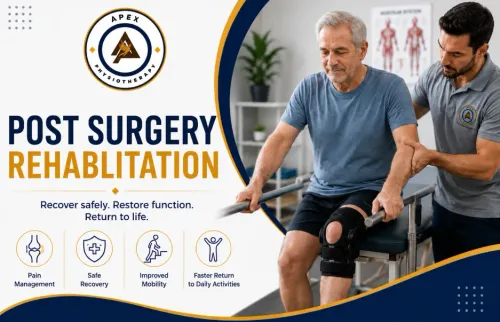
The ligament is completely torn. This often causes severe swelling, instability, and difficulty bearing weight. Surgical treatment may sometimes be required, followed by physiotherapy rehabilitation.
Which Ligaments Are Commonly Injured?
Although ligament injuries can occur throughout the body, the most frequently affected areas include:
- Ankle ligaments
- Knee ligaments
- ACL (Anterior Cruciate Ligament)
- MCL (Medial Collateral Ligament)
- Wrist ligaments
- Thumb ligaments
- Shoulder ligaments
The rehabilitation approach depends on both the location and severity of the injury.
Common Causes of Ligament Injuries
Ligaments are designed to stabilize joints, but sudden or excessive force can exceed their capacity.
Common causes include:
- Sudden twisting movements
- Sports involving jumping or pivoting
- Slipping on uneven surfaces
- Falls
- Road traffic accidents
- Poor landing technique
- Weak supporting muscles
- Previous ligament injuries
People who return to sports too quickly after an injury often experience repeated ligament problems.
Symptoms That Shouldn't Be Ignored
Symptoms vary depending on the severity of the injury but commonly include:
- Joint pain
- Swelling
- Bruising
- Joint instability
- Difficulty walking
- Reduced range of motion
- Tenderness around the joint
- A feeling that the joint may 'give way'
Persistent symptoms should be evaluated by a physiotherapist or healthcare professional.
Why Physiotherapy Is Essential
Rest alone rarely restores full joint function after a ligament injury.
Physiotherapy focuses on rebuilding the structures that support the injured ligament while improving movement quality.
Treatment commonly includes:
- Pain and swelling management
- Joint mobility exercises
- Progressive strengthening
- Balance and proprioception training
- Functional rehabilitation
- Sport-specific conditioning
- Walking and gait correction
The goal is to restore both stability and confidence during movement.
The Importance of Balance Training
One of the lesser-known effects of ligament injuries is reduced proprioception—the body's ability to sense joint position.
Balance exercises help retrain this system by improving coordination and reducing the likelihood of future sprains.
Examples include:
- Single-leg standing
- Balance board exercises
- Dynamic stability drills
- Controlled stepping exercises
These exercises become increasingly important before returning to sports.
Recovery Takes Time
Healing varies depending on:
- Severity of the injury
- Age
- General fitness
- Treatment consistency
- Whether surgery was required
Attempting to return to activity too early may delay healing and increase the risk of reinjury.
A structured rehabilitation program allows gradual progression while protecting healing tissues.
Returning to Daily Activities and Sports
Before resuming sports or physically demanding work, patients should regain:
- Full range of motion
- Adequate muscle strength
- Good balance
- Joint stability
- Functional movement confidence
Meeting these milestones significantly reduces the risk of recurring injuries.
Ligament injuries should never be viewed as problems that simply heal with time. Proper rehabilitation is essential for restoring joint function and preventing future instability. With individualized physiotherapy and progressive strengthening, most people can safely return to their normal activities while improving long-term joint health.
If you're recovering from a ligament injury, Apex Physiotherapy Clinic in Bellandur provides personalized rehabilitation programs designed to restore joint stability, improve mobility, and help you return to work, sports, and daily life with confidence.
Keywords