
Mobility is the ability to move safely and efficiently during everyday activities. It includes walking, turning, climbing stairs, getting out of bed, rising from a chair, and moving through different environments. When mobility declines, even familiar tasks can require greater effort or assistance.
Apex Physiotherapy Clinic uses physiotherapy for mobility improvement to identify the physical and functional factors limiting movement. The programme is then designed around the person’s present abilities, health condition, lifestyle, and priorities.
What Can Cause Reduced Mobility?
Mobility limitations may result from one condition or several interacting factors. Common causes include:
- Joint pain and stiffness
- Muscle weakness
- Poor balance
- Recovery after surgery
- Neurological conditions
- Prolonged hospitalisation
- Fractures and soft-tissue injuries
- Fear of falling
- Reduced endurance
- Age-related physical changes
- Extended periods of inactivity
A person may have sufficient strength but lack balance confidence. Another individual may walk independently on a level surface but struggle with stairs, uneven ground, or longer distances. Recognising the specific difficulty is essential for selecting appropriate exercises.
How Mobility Is Evaluated
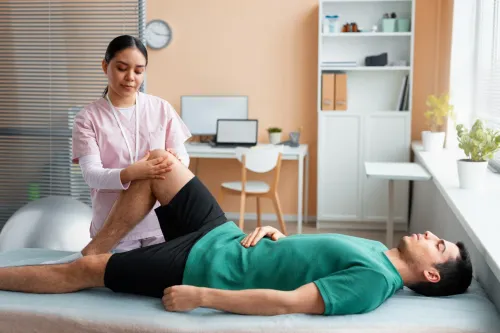
A physiotherapist may observe how the person walks, turns, sits down, stands up, and manages steps. Muscle strength, joint movement, balance, coordination, and endurance may also be assessed.
The evaluation should connect these findings with real-life needs. A generic exercise programme may overlook practical challenges such as entering a vehicle, walking to a workplace, using an apartment lift, or moving safely in a bathroom.
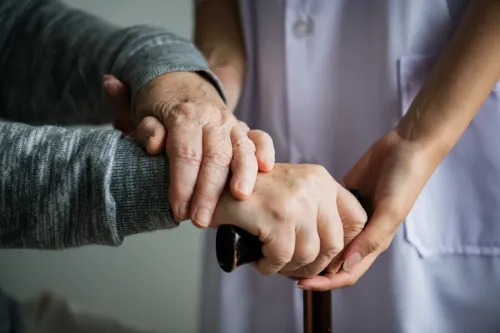
Where needed, the physiotherapist may assess whether a walking stick, walker, or other mobility aid is suitable. The correct height and method of use are important because an improperly used aid can affect balance and walking technique.
Approaches Used to Improve Mobility
Treatment may include a combination of:
Strengthening exercises
Exercises for the legs, hips, trunk, and upper limbs can support standing, walking, and transfers.
Balance training
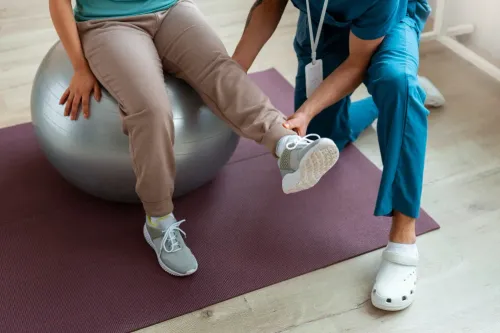
Supported standing, weight shifting, stepping drills, and direction changes may be used according to the person’s safety level.
Walking practice
Gait training may address step length, foot placement, walking speed, turning, and the use of an assistive device.
Flexibility and mobility work
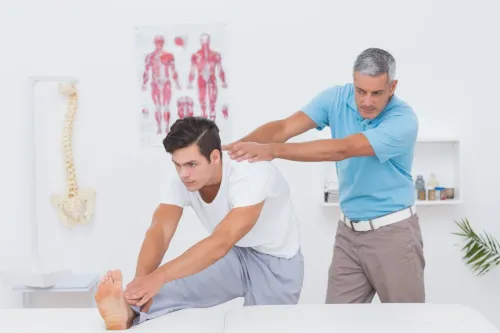
Gentle exercises can help improve restricted movement that interferes with walking or functional tasks.
Endurance development
Walking duration or other suitable activities may be increased gradually to improve tolerance without causing excessive fatigue.
Mobility Rehabilitation in Bellandur
Life in Bellandur may involve apartment corridors, lifts, office campuses, busy roads, uneven footpaths, and prolonged Bengaluru commutes. Rehabilitation should prepare a person for these actual environments rather than focus only on exercises performed on a treatment table.
Progress can be measured through practical changes, such as standing with less assistance, walking farther, using stairs more confidently, or completing household tasks with fewer rest breaks.
Sudden loss of mobility, new one-sided weakness, severe dizziness, confusion, chest pain, or breathing difficulty requires immediate medical attention. Gradual mobility changes also deserve assessment when they begin affecting safety or independence.
If movement has become difficult after illness, injury, surgery, or inactivity, arrange a mobility assessment with Apex Physiotherapy Clinic. Early rehabilitation can help identify manageable goals and establish a safer path towards greater independence.
Keywords