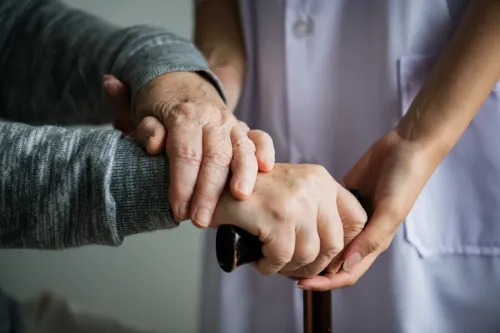
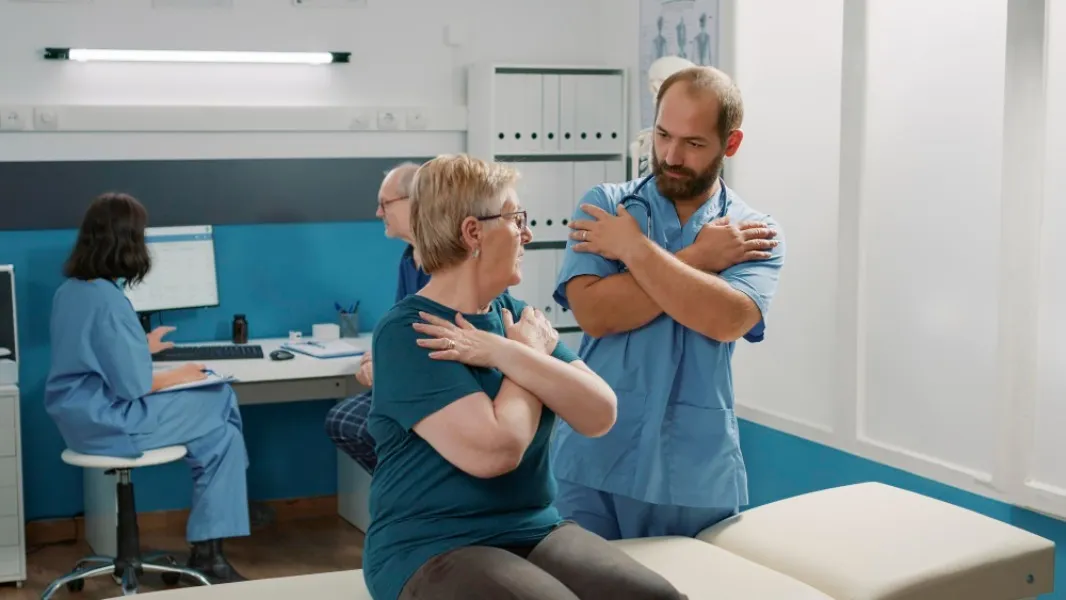
Ageing can bring changes in muscle strength, joint flexibility, balance, and walking speed. These changes do not mean that older adults should avoid movement. Appropriate activity and rehabilitation can help many senior citizens remain involved in personal care, household routines, social activities, and community life.
Physiotherapy for senior citizens is adapted to the person’s current abilities, health conditions, home environment, and functional goals. Apex Physiotherapy Clinic in Bellandur provides individualised support for older adults experiencing weakness, joint stiffness, balance difficulty, or reduced confidence during movement.
When an Older Adult May Benefit from Physiotherapy
Physiotherapy may be considered when a senior citizen experiences:
- Difficulty getting out of a chair
- Reduced walking distance
- Repeated loss of balance
- Fear of falling
- Joint pain or stiffness
- Weakness after illness or hospitalisation
- Difficulty using stairs
- Slower movement during daily tasks
- Reduced mobility following surgery
- Dependence on family members for routine activities
A sudden change in mobility should not automatically be attributed to age. New weakness, dizziness, confusion, chest discomfort, breathing difficulty, or sudden balance loss requires timely medical assessment.
What a Geriatric Physiotherapy Assessment Covers
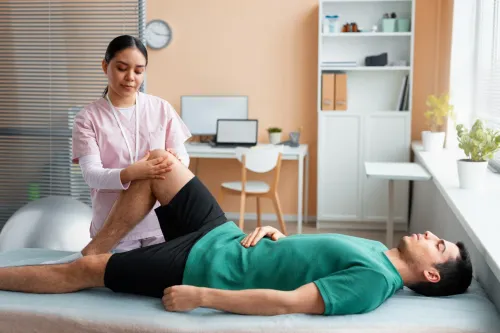
The assessment usually considers the whole person rather than one painful joint. A physiotherapist may examine walking, lower-limb strength, balance, flexibility, coordination, transfer ability, and the use of walking aids.
Daily challenges are also important. An older adult may walk comfortably inside the home but struggle on uneven outdoor surfaces. Another person may have sufficient leg strength but feel unsafe when turning, using the bathroom, or stepping off a kerb.
Understanding these situations helps make therapy relevant to real life.
Important Areas of Senior Rehabilitation
Strength
Exercises may target the thighs, hips, calves, back, and upper limbs. Improved strength can support standing, walking, stair use, and other everyday movements.
Balance
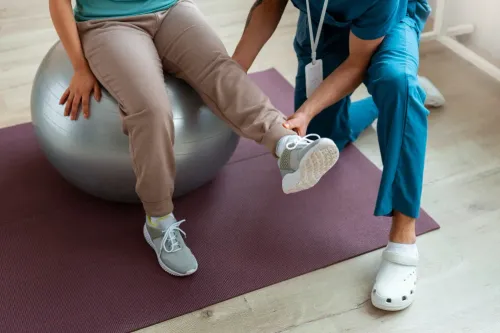
Balance training may involve controlled weight shifting, supported standing, stepping practice, or direction changes. The level of support should match the person’s safety needs.
Flexibility and joint mobility
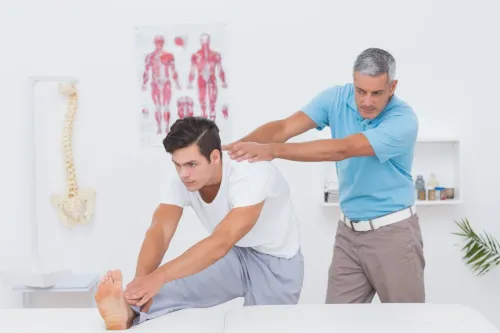
Gentle movement can help manage stiffness and make activities such as dressing, reaching, and walking more comfortable.
Endurance
Short, manageable periods of walking or other aerobic activity may be gradually increased. Progress should consider fatigue, breathing, and existing health conditions.
Functional practice
Rehabilitation may include repeated practice of getting out of bed, rising from a chair, climbing steps, or using an appropriate walking aid.
Supporting Safety at Home
Family members can help by keeping walkways clear, improving lighting, securing loose rugs, installing support rails where advised, and ensuring frequently used items are easy to reach. Footwear should fit securely and provide suitable grip.
Older adults living in Bellandur may encounter apartment corridors, lifts, basement parking areas, crowded roads, and uneven outdoor paths. Rehabilitation should prepare the individual for these actual surroundings instead of limiting practice to a treatment room.
Progress may be gradual and will differ according to age, diagnosis, medication, previous activity, and overall health. The practical aim is to preserve or improve independence while making everyday movement safer and more manageable.
Keywords