
Back and neck pain can interfere with work, sleep, exercise, travel, and routine household activities. While some episodes improve within a few days, recurring pain or persistent stiffness may indicate the need for a detailed movement assessment.
Apex Physiotherapy Clinic provides spine physiotherapy treatment based on the person’s symptoms, physical limitations, daily routine, and medical history. Instead of focusing only on the painful area, physiotherapy examines how the spine, muscles, joints, and surrounding body regions work together.
Common Reasons for Spine-Related Pain
Spinal discomfort may develop gradually or begin after a particular activity. Common contributing factors include:
- Prolonged sitting or standing
- Sudden lifting or twisting
- Reduced physical activity
- Muscle weakness
- Limited spinal mobility
- Previous injuries
- Age-related changes
- Repetitive workplace movements
- Irritation involving spinal joints, discs, or nerves
Pain may remain in the neck or lower back, but it can also spread towards the shoulder, arm, buttock, or leg. Tingling, numbness, and weakness require careful assessment because they may indicate nerve involvement.
Physiotherapy Assessment for Spinal Conditions
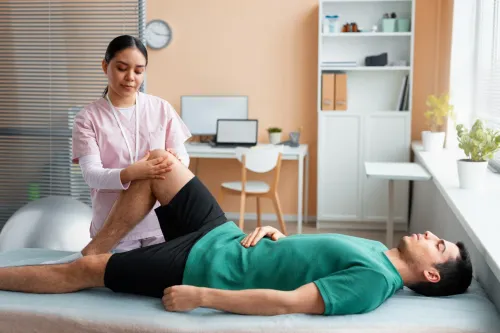
A physiotherapist begins by understanding when the symptoms started, which movements aggravate them, and how they affect daily activities. The assessment may include posture, spinal mobility, muscle strength, flexibility, balance, reflexes, and nerve-related tests when appropriate.
The hips, shoulders, and upper or lower limbs may also be examined. For example, restricted hip mobility can influence how the lower back moves during bending, while limited upper-back movement may contribute to strain around the neck and shoulders.
These findings help determine whether the person requires mobility exercises, strengthening, movement retraining, activity modification, or medical referral.
Comparing Passive Relief with Active Rehabilitation
Heat, massage, and manual techniques may provide temporary symptom relief for some people. However, relying only on passive treatment may not address weakness, reduced endurance, or movement limitations.
Active rehabilitation generally involves the patient participating in exercises and gradually returning to meaningful activities. Depending on the condition, a programme may include:
- Gentle spinal mobility exercises
- Strengthening for the trunk, hips, or upper back
- Nerve mobility exercises when clinically indicated
- Walking or general conditioning
- Lifting and movement practice
- Workstation and activity guidance
- A progressive home exercise programme
The treatment should be adjusted if an exercise consistently worsens radiating pain, numbness, or weakness.
Spine Physiotherapy Treatment in Bellandur
Professionals working in Bellandur and surrounding Bengaluru business districts may spend extended periods at desks, in meetings, or travelling through traffic. A suitable rehabilitation plan should therefore consider sitting tolerance, laptop use, commuting, exercise habits, and the physical requirements of the person’s occupation.
The aim is not to maintain one rigid posture throughout the day. Regular position changes, gradual physical conditioning, and better movement capacity are usually more practical.
Immediate medical attention is necessary when spinal pain is accompanied by loss of bladder or bowel control, numbness around the groin, progressive limb weakness, major trauma, fever, or unexplained weight loss.
If back or neck pain is limiting your routine, schedule an assessment with Apex Physiotherapy Clinic. A physiotherapist can evaluate the condition and develop a rehabilitation plan suited to your symptoms and functional goals.
Keywords