
Pain relief can support injury prevention when it helps you complete rehabilitation, improve movement, and manage training load. It becomes risky when it hides warning symptoms and lets you repeat the same workload, technique, or recovery error; you will learn how to tell the difference and decide when training pain needs assessment.
Key takeaways
- Pain relief cannot correct weak muscles, poor technique, or excessive training load.
- Stop and seek assessment for sharp, worsening, or movement-altering pain.
- Use load progression, strength work, technique, and recovery to prevent injuries.
- Painkillers and passive treatments do not establish readiness to return to sport.
When Pain Management Prevents Injury—and When It Masks One
Treating pain can prevent a sports injury only indirectly: it helps you complete prescribed rehabilitation, strength, mobility, or neuromuscular work without changing the exercise that caused the problem. Pain relief alone does not correct weakness, poor technique, inadequate recovery, or a sudden training-load increase.
Reduce the provoking load and use a graded return; that is pain treatment supporting sports injury prevention.
Stop training and arrange an assessment if you develop:
- Sharp or sudden pain
- Pain that changes your running or lifting mechanics
- Swelling or bruising
- Joint instability or locking
- Numbness or weakness
- Pain that persists into the next session
Pain that repeatedly returns at the same workload, worsens each week, limits movement, disrupts sleep, or prevents rehabilitation also needs reassessment. Repeatedly taking an analgesic to finish a session indicates that the diagnosis or training plan needs review, not that the injury is controlled.
Routine or preventive NSAID use is not an established injury-prevention method; dehydration and medicine combinations increase the risk of serious harm. Sedating medicines and opioids can impair alertness and judgment, delaying recognition of a worsening injury. A sound plan combines symptom control with load adjustment, progressive exercise, technique changes, recovery, and objective return-to-sport testing.
Training Discomfort, Muscle Soreness, or an Injury Warning?
Pain that changes your mechanics is a stop signal, not ordinary training discomfort. Mild muscular burning or fatigue should ease when you reduce intensity and should not alter your movement.
Delayed-onset muscle soreness (DOMS) usually appears 12 to 24 hours after unfamiliar or harder training. It feels like diffuse muscle ache or stiffness, often affects both sides, and gradually improves with gentle movement and appropriately reduced loading. Complete rest and repeated painkillers are not the only answers.
Stop training and arrange an assessment if you have:
- Sharp or sudden pain
- Pain in one precise spot that worsens with each repetition
- Swelling or bruising
- Joint instability or locking
- Numbness or weakness
- Pain that changes your running, lifting, landing, or walking pattern
- Pain that remains into the next session or worsens day to day
The question is not only when athletes need pain management; it is why the pain is present. Seek review when pain recurs at the same workload, limits range of motion, disrupts sleep, restricts rehabilitation, or prevents training progression.
Repeatedly taking analgesics to complete sessions points to a diagnosis or load problem, not proof that the injury is controlled.
A useful test is your next-session response: if symptoms have not returned to their usual baseline by the following morning, reduce the provoking load and reassess rather than pushing through.
When Training Pain Needs a Physiotherapy Assessment
Sharp or sudden pain, swelling, bruising, instability, locking, numbness, weakness, or altered running or lifting mechanics warrants an assessment before your next session. Seek pain management when symptoms disrupt sleep, restrict normal movement, recur at the same workload, worsen each week, or remain after rest and a basic reduction in training load.
Before recommending a return to training, a physiotherapist should:
1. Review when the pain began, recent changes in volume, intensity, frequency, sprinting, jumping, or lifting, plus sleep, recovery, footwear, equipment, and previous injuries.
2. Observe walking, running, squatting, landing, lifting, and sport-specific movements to identify compensation, poor control, or a technique change caused by pain.
3. Test joint range, swelling, tenderness, strength, balance, coordination, and side-to-side differences. Numbness, marked weakness, instability, or restricted motion may require medical assessment rather than routine training progression.
4. Use graded functional tests that match your sport, such as repeated hops, a controlled deceleration, or sport-specific drills, then monitor symptoms during and the following day.
A safe plan links symptom control to reduced aggravating load, progressive strengthening, technique or equipment changes, and recovery targets. Repeated analgesic use to complete sessions signals a need to review the diagnosis and training plan, not proof that the injury is controlled.
The right physiotherapy for training pain in Bengaluru should examine capacity and training errors, not only apply a pain-relieving treatment. At Apex Physiotherapy, that distinction helps determine whether an athlete needs modified rehabilitation, further evaluation, or a staged return.
Related services
Chronic and Acute Pain Management Chronic and Acute Pain Management Chronic and Acute Pain Management is a specialized physiotherapy approach focused on reducing pain, improving mobility, and restoring overall... View service → |
Sports Rehabilitation Sports Rehabilitation is a specialized physiotherapy program designed to help athletes and active individuals recover from injuries, improve... View service → |
Build Prevention Around Load, Strength, and Recovery
Pain management prevents injury only when it helps you complete rehabilitation, strength, mobility, or neuromuscular work without hiding a worsening problem. Pair sports injury prevention pain treatment with a reduced provoking load, technique changes, progressive strengthening, and planned recovery; relief alone cannot correct weakness, poor mechanics, or a sudden workload spike.
Use these prevention measures alongside symptom control:
- Reduce volume, intensity, frequency, or sprinting temporarily when symptoms follow a recent training increase.
- Restore strength on both sides through graded resistance, balance, landing, lifting, or sport-specific drills.
- Schedule easier sessions, adequate sleep, hydration, and rest between high-intensity days.
- Reintroduce speed, contact, hills, or heavy loads one variable at a time.
- Stop and seek assessment for swelling, instability, locking, numbness, weakness, altered technique, or pain that remains into the next session.
Track load against your current capacity rather than chasing a universal “safe” number.
| Measure | What to record | Warning pattern |
|---|---|---|
| Session load | Session duration multiplied by effort rating from 0 to 10 | A sharp week-to-week rise |
| High-risk work | Sprint distance, jumps, heavy sets, or contact minutes | A sudden increase in one category |
| Response | Pain during training and the next morning | Symptoms last longer or spread |
| Capacity | Strength, range of motion, balance, and sport-specific drills | Performance drops or movement changes |
| Recovery | Sleep, fatigue, soreness, and rest days | Poor recovery alongside rising load |
Pain management for sports injury prevention in Bengaluru should follow this same logic: use treatment to support an active plan, not to repeat the session that caused the problem.
Why Painkillers and Passive Treatments Are Not a Return-to-Play Plan
A pain-free session is not proof that an injured tissue is ready for full load. Analgesics can dull warning pain and let you repeat the volume, intensity, or sprinting that caused the problem.
Non-steroidal anti-inflammatory drugs also carry risks including stomach bleeding, kidney injury, and cardiovascular effects, especially with dehydration, heat stress, prolonged endurance exercise, or combined medicines.
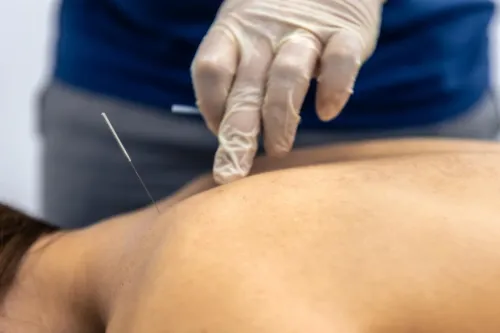
Ice, massage, dry needling, and manual therapy can temporarily reduce symptoms or improve movement. They do not restore strength, coordination, tissue capacity, or a training error. Relying on them to complete every session can delay diagnosis and turn a manageable injury into a persistent one.
Knowing when athletes need pain management means looking at function, not chasing zero pain before every workout. Repeated pain at the same load, rising pain across weeks, sleep disruption, restricted movement, or recurrent analgesic use calls for reassessment.
Pain management for sports injury prevention in Bengaluru, or anywhere else, must accompany a reduction in the provoking load and a graded rebuild.
- Pain-free or clearly improving daily movement
- Restored strength, range, balance, and sport-specific control
- Training progression without pain, swelling, altered mechanics, or next-day worsening
- Objective tests such as hopping, sprinting, cutting, lifting, or throwing at the required level
A physiotherapist can adjust technique, equipment, recovery, and exercise progression while monitoring these responses. Symptom relief is useful when it enables rehabilitation; it is not clearance to resume the original workload.
Frequently asked questions
Can pain management prevent sports injuries during training?
Only indirectly. Pain management can help you complete prescribed rehabilitation, strength, mobility, or neuromuscular exercises, but it does not fix the cause of pain or make unsafe training safe.
How can you tell muscle soreness from an injury warning?
Normal training soreness is usually a broad, dull ache that follows unfamiliar or harder exercise and improves with movement. Sharp, localised, worsening, or movement-altering pain needs attention, especially when it includes swelling, weakness, instability, or loss of range.
When do athletes need pain management and a physiotherapy assessment?
Arrange an assessment when pain persists, worsens during training, changes your technique, limits normal movement, returns each session, or follows a contact injury, fall, or sudden increase in training load.
Why are painkillers and passive treatments not a return-to-play plan?
They can reduce symptoms without restoring strength, coordination, range of motion, or tolerance to sport-specific load. Return to play requires progressive training and evidence that the injured area can handle the demands of your sport.
Keywords