Athletes searching for needling in Bengaluru need more than a clinic name: they need to know what treatment is being offered, whether it fits the problem, and how to judge safe practice. By the end, you will have a practical checklist for choosing a qualified provider and fitting dry needling into a broader injury-prevention plan.
Key takeaways
- Dry needling reduces symptoms; it does not prevent injuries by itself.
- Choose a clinic that explains risks, uses sterile single-use needles, and takes a full history.
- Schedule treatment away from competition until you know your response.
- Pair needling with strength, mobility, load management, and sport-specific training.
What “needling” means—and what it can realistically prevent
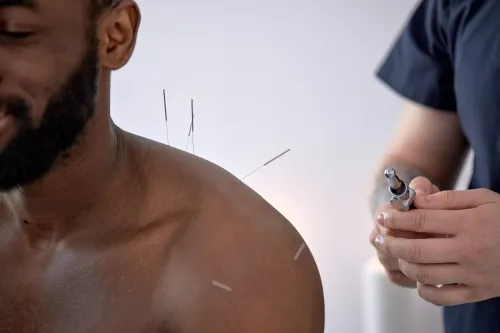
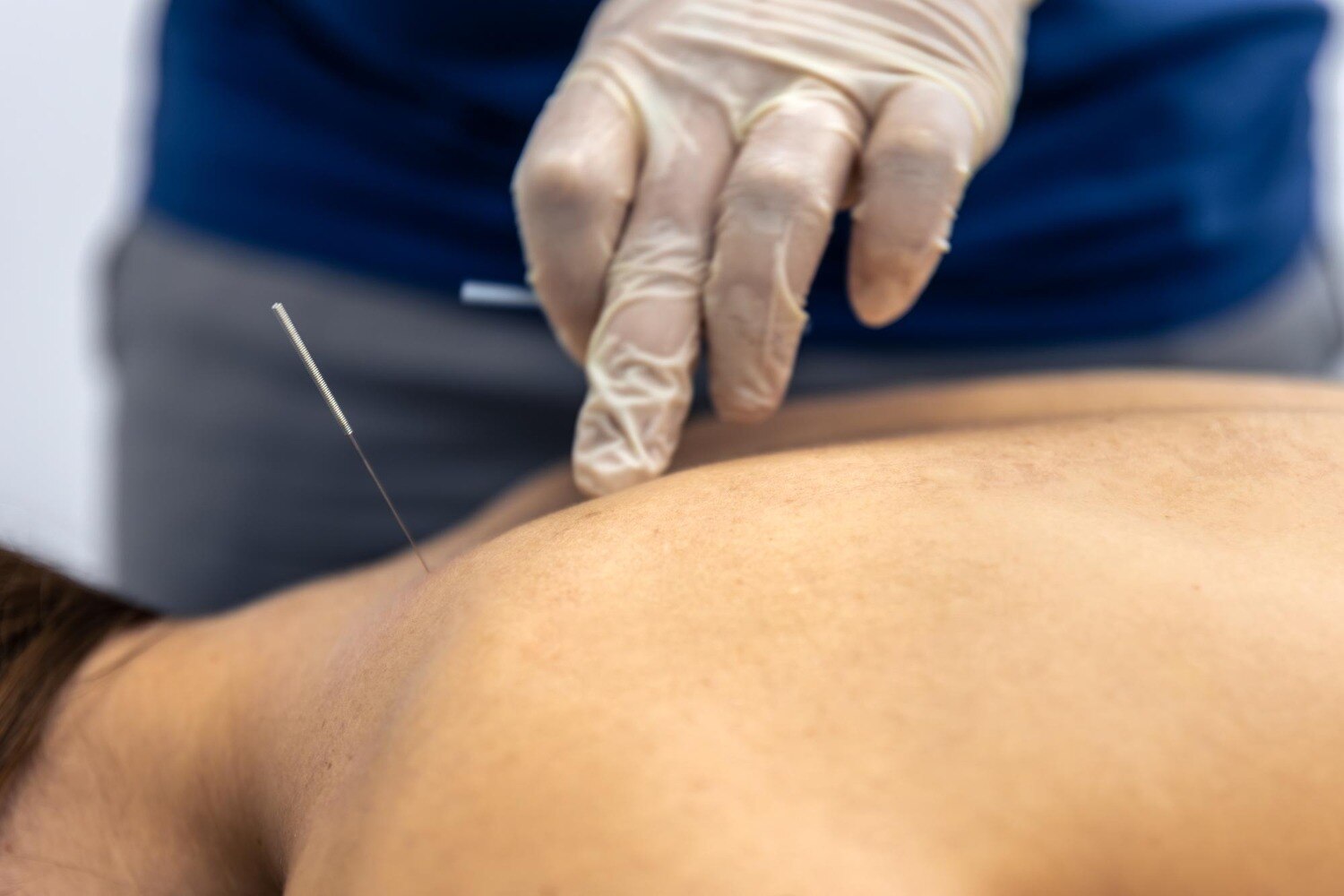
Dry needling can reduce pain, muscle guarding, or restricted movement for a short period, but it does not prevent sports injuries by itself. In needling physiotherapy in Bengaluru, the term usually means inserting a sterile, solid filiform needle into a muscle, fascia, or myofascial trigger point without injecting medicine.
| Approach | What the needle does | Basis for treatment |
|---|---|---|
| Dry needling | Targets neuromuscular tissue or a trigger point | Musculoskeletal assessment |
| Acupuncture | Inserts needles at defined acupuncture points | Acupuncture diagnosis and point system |
| Injection therapy | Delivers medicine, anaesthetic, or another substance | Medical diagnosis and prescribed drug |
Dry needling is therefore not automatically acupuncture, and an injection is a different procedure altogether. Ask which intervention is being offered, who will perform it, and which qualification supports that practice.
For an athlete, the realistic goal is to improve a training limitation—such as calf tightness, hamstring symptoms, hip-flexor tension, or shoulder-muscle overload—so you can move and load the area more effectively. It does not repair poor technique, inadequate strength, excessive training load, or an untreated tendon or joint problem.
A sports physiotherapist should pair needling with examination, progressive strength and mobility work, technique changes, and return-to-sport planning. Treat a promise of injury prevention from needling alone as a warning sign.
How dry needling is used for athletes
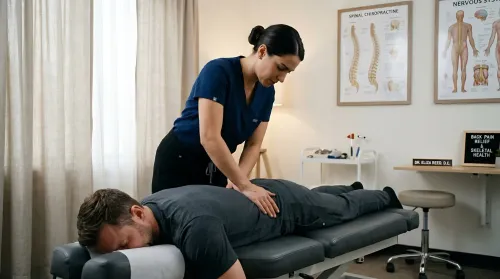
A sports-focused assessment starts with the problem limiting your training, not with a request for needles. The clinician reviews your injury history, training load, recent changes in volume or intensity, and sport-specific movements, then checks strength, range of motion, coordination, and tenderness.
They should identify a target muscle, fascia, or myofascial trigger point and explain why needling may help.
The session usually follows this sequence:
- You give informed consent after discussing expected soreness, risks, and alternatives.
- The clinician cleans the skin and inserts sterile, solid needles into the selected tissue.
- They may ask you to move, or apply brief electrical stimulation, if that suits the target and treatment plan.
- They reassess pain, movement, muscle guarding, or range of motion immediately afterward.
The most defensible use is short-term relief of pain or excessive muscle tone that interferes with rehabilitation. Dry needling for athletes in Bengaluru should therefore sit alongside progressive loading, strength work, mobility, technique changes, and return-to-sport decisions—not replace them.
| Problem | What the assessment may identify | Why needling might be considered |
|---|---|---|
| Calf tightness | Guarding or a tender trigger point affecting ankle movement | To reduce tone or pain before mobility and loading work |
| Hamstring or quadriceps symptoms | Local muscle sensitivity alongside a strain or training overload | To make exercise more tolerable while the underlying issue heals |
| Hip-flexor or shoulder overload | Restricted movement or persistent muscle tenderness | To support movement retraining and strength progression |
A healthy athlete with no specific symptom has no clear needling target, and needling alone has not been established as an injury-prevention programme.
How to choose a safe needling clinic in Bengaluru
Choose the clinician, not the advertising label. A needling treatment clinic in Bengaluru should name the person inserting the needles, their physiotherapy or medical qualification, current registration applicable in Karnataka, and experience with your sport and body region. “Sports” or “dry needling” in an advert does not prove competence.
Ask these questions before booking:
- Will you receive a documented musculoskeletal assessment before needling?
- Will the clinician explain the target, expected benefit, alternatives, risks, and obtain written or recorded consent?
- Are sterile, single-use needles opened in front of you, with hand hygiene and a sharps container visible?
- Is the fee clear, including assessment, follow-up, and any exercise rehabilitation?
Apex Physiotherapy is worth assessing by these same standards: ask who performs the procedure and what exercise-based plan follows it, rather than assuming the clinic name guarantees suitability.
| Provider | Check before treatment | Poor sign |
|---|---|---|
| Sports physiotherapist | Qualification, current registration, sports experience, assessment, and return-to-sport plan | Promises injury prevention from needling alone |
| Musculoskeletal physiotherapist | Diagnosis, needle-training credentials, sterile technique, and reassessment measures | Treats every painful area without examining movement or strength |
| Sports-medicine doctor | Medical diagnosis, medication and bleeding-risk review, and referral pathway | Inserts needles before ruling out fracture, rupture, neurological symptoms, or major trauma |
Choose a provider who can explain what will change after the session and how you will measure it. If the plan contains needles but no loading, strength, mobility, technique, or training modifications, keep comparing.
Related service
Needling Needling Needling is an effective physiotherapy technique used to relieve muscle pain, reduce tension, improve mobility, and accelerate recovery from... |
Who should postpone or avoid needling
Do not book needling as the first step for persistent swelling, deformity, inability to bear weight, marked weakness, numbness, loss of coordination, suspected fracture, acute tendon rupture, or symptoms after major trauma. These findings need medical evaluation and diagnosis before any muscle or trigger-point treatment.
Before insertion, disclose:
- A bleeding disorder, easy bruising, anticoagulants such as warfarin or apixaban, or antiplatelet medicines such as clopidogrel
- Diabetes with impaired healing, immune suppression, pregnancy where relevant, or a previous serious reaction to needling
- Skin infection, fever, an open wound, or allergy to antiseptic or adhesive dressings
- Needle phobia or difficulty remaining still
| Finding | Decision before treatment | Why it matters |
|---|---|---|
| Acute injury signs | Postpone and seek medical assessment | Needling cannot rule out a fracture, rupture, or serious nerve injury |
| Infection, poor healing, or high bleeding risk | Obtain medical clearance, modify treatment, or avoid it | The puncture can worsen infection, bleeding, or delayed healing |
| Chest or breathing symptoms after upper-back, shoulder, or lower-neck needling | Seek urgent assessment | Sudden chest pain, breathlessness, persistent cough, or unusual breathing difficulty can indicate pneumothorax |
Soreness, bruising, tiny amounts of bleeding, fatigue, or brief symptom aggravation can occur. Severe, progressive, or unusual symptoms are not routine aftercare; ask for written escalation instructions before treatment.
Timing, aftercare, and the prevention plan around treatment
A normal meal and good hydration are sensible before treatment; do not arrive dehydrated or after an exhausting workout. Wear clothing that exposes the target area, and tell the clinician about medicines, bleeding problems, recent illness, and your next competition.
- Book the first session 48–72 hours before a major event, not immediately before it. Post-treatment soreness, bruising, or temporary fatigue can disrupt performance.
- Leave at least 24 hours before intense training after an initial session. Use easy walking, gentle mobility, or the exercises prescribed by your physiotherapist during that window.
- Keep the area clean afterward, avoid hard training until normal movement returns, and follow the stated advice on showering, stretching, and loading. Seek medical advice for increasing redness, warmth, swelling, fever, severe pain, or unusual weakness.
- Record your pain, range of motion, strength, training tolerance, and sleep before treatment, then reassess them over the next 48 hours. A brief improvement that does not change training capacity is not enough reason to repeat it.
Further sessions are useful only when a specific problem shows a repeatable response and the gains support progressive strengthening, mobility, technique, or workload management. If symptoms return unchanged, no functional measure improves after a reasonable trial, or treatment replaces rehabilitation, stop and request a revised assessment.
Needling for sports injury prevention in Bengaluru should be one adjunct within that plan, not the plan itself.
Frequently asked questions
Can dry needling prevent sports injuries?
No. Dry needling may briefly reduce pain, muscle guarding, or restricted movement, but injury prevention requires strength, mobility, load management, and sport-specific training.
How is dry needling used for athletes?
A physiotherapist may use sterile, solid filiform needles in muscles, fascia, or myofascial trigger points to address pain, muscle guarding, or restricted movement as part of a broader rehabilitation plan.
How do you choose a safe needling clinic in Bengaluru?
Choose a qualified physiotherapist who explains the procedure and risks, takes your medical history, uses sterile single-use needles, and gives clear aftercare instructions.
Who should postpone or avoid dry needling?
Postpone treatment when you have an active skin infection, unexplained swelling, or an acute medical problem at the treatment site. Tell the clinician about pregnancy, bleeding disorders, blood-thinning medication, immune suppression, and implanted devices before treatment.
When should athletes schedule dry needling?
Avoid trying it immediately before an important competition. Schedule the first session when you have recovery time, then follow the clinician’s advice on training, hydration, soreness, and return to full activity.
Keywords