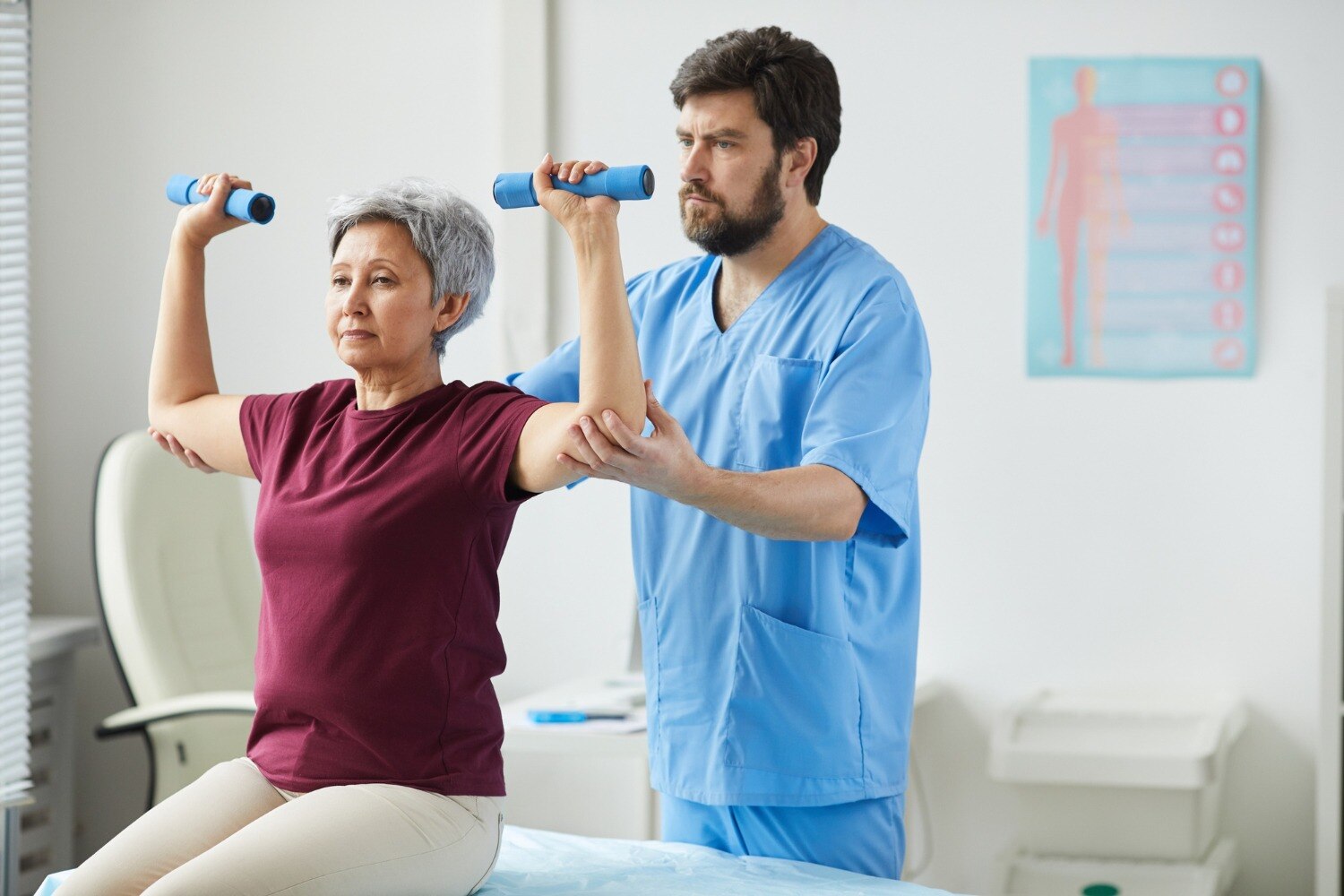
A sports-prevention programme that uses neurological assessment looks beyond pain and muscle strength: it examines balance, sensation, coordination, reaction time, movement control, and how fatigue changes technique. By the end, you will know what assessments and exercises to expect, how they progress, and what to ask before choosing neuro rehab in Bengaluru.
Key takeaways
- Expect movement, balance, vision, sensation and reaction assessments before drills.
- Choose exercises that match your sport’s landing, cutting and fatigue demands.
- Progress from controlled technique to unpredictable, competition-like situations.
- Question programmes that skip screening or promise injury prevention without testing movement.
What neuro rehab sports prevention covers—and who benefits
Neuro rehab sports for injury prevention in Bengaluru differs from ordinary strength and conditioning because it trains the nervous system’s control of movement, not only muscle capacity. It examines how the brain, spinal cord, nerves, balance system, vision, sensation, and cognition influence landing, cutting, reaction, and technique under fatigue.
The aim is to find modifiable deficits, not promise that an injury can be predicted.
| Focus | Neuro rehab sports prevention | Ordinary strength and conditioning |
|---|---|---|
| Control | Balance, proprioception, reaction time, coordination, and limb symmetry | Force, endurance, speed, and muscle size |
| Progression | Stable to unstable surfaces, eyes open to reduced visual input, then dual-task and unpredictable sport drills | Planned resistance, running, and conditioning loads |
| Use | Corrects poor landing, trunk control, protective reactions, or fatigue-related technique loss | Builds general physical capacity |
Neuro rehab in Bengaluru can benefit athletes with:
- Concussion symptoms, dizziness, visual-motion sensitivity, or vestibular problems
- A previous ligament injury, recurrent ankle sprains, poor single-leg balance, or delayed reactions
- Peripheral nerve injury, altered sensation, weakness, or coordination loss
- Movement asymmetry, knee valgus, unstable landings, or trunk-control problems
- A neurological condition affecting gait, balance, cognition, or sport participation
It also includes education on sleep, recovery, warm-up adherence, footwear, symptom reporting, and sudden training-load changes. A normal strength test does not protect you from exceeding tissue capacity after an abrupt increase in volume, intensity, or competition exposure.
The assessments included before treatment begins
Before a prevention programme starts, a physiotherapist should establish a neurological and functional baseline, not rely on a pain score alone. If you are choosing neuro rehab in Bengaluru, ask which neuro rehabilitation treatment details are assessed and how each finding will change your training.
1. Review your history: concussion symptoms, ligament injury, repeated ankle sprains, nerve injury, neurological diagnosis, dizziness, falls, medication, and previous rehabilitation.
2. Screen sensation and motor control, including light touch, joint-position sense, reflex-related responses, limb strength, coordination, and differences between sides.
3. Assess balance and movement: single-leg stance, gait or running mechanics, trunk control, landing alignment, knee valgus, ankle and hip control, and technique under fatigue.
4. Test reaction and attention through protective responses, reaction time, visual or vestibular challenges, and dual-task activities such as moving while responding to a signal.
5. Match testing to your sport with squats, jumps, cutting, acceleration, deceleration, or overhead actions. The aim is to identify changeable deficits, not promise that an injury can be predicted.
A balance-board test alone is incomplete. Progression should eventually examine unstable surfaces, reduced visual input, dual-task demands, and unpredictable sport-specific actions, but only after safe control at easier levels.
New weakness, progressive numbness, saddle numbness, bladder or bowel changes, repeated collapse, seizure, severe neck pain after trauma, or deteriorating consciousness requires medical assessment rather than routine prevention training. Ask whether the physiotherapist can refer you to a neurologist, sports physician, orthopaedic clinician, or emergency service.
What a prevention session actually includes
A session combines neurological control drills with strength, landing, balance, agility, and sport-specific movement. Sports injury prevention rehabilitation targets modifiable problems such as delayed reactions, poor proprioception, knee valgus, trunk instability, unequal loading, and technique loss under fatigue; it does not promise to predict every injury.
The neuro rehabilitation treatment details depend on the deficit found during assessment:
- Use single-leg stance, balance-board reaches, eyes-closed positions, and head-turning drills for delayed balance or reduced joint-position sense.
- Add resisted ankle eversion, calf raises, hip abductor work, split squats, and controlled single-leg deadlifts for weak or unstable lower-limb control.
- Practise landing from a low step, deceleration, lateral hops, and repeated bounds to retrain force absorption without inward knee collapse.
- Train reaction and coordination with mirror drills, ball catches, coloured-light cues, partner perturbations, and dual-task movement.
- Rehearse cutting, shuffling, sprint starts, tackling positions, overhead actions, or sport-specific footwork at controlled speed before adding fatigue and unpredictability.
| Deficit | Exercise focus | Sport-specific application |
|---|---|---|
| Poor ankle control | Single-leg balance and resisted ankle work | Landing, hopping, and rapid direction changes |
| Trunk or hip control loss | Side planks, split squats, and step-downs | Cutting, sprinting, and defensive stance |
| Delayed reaction | Visual cues, perturbations, and dual-task drills | Responding to an opponent, ball, or whistle |
| Fatigue-related breakdown | Repeated hops, runs, and technical circuits | Late-game skills without losing alignment |
Progress only when the athlete can keep alignment, balance, and decision accuracy. A balance board alone is not a complete programme.
How drills progress toward competition demands
Difficulty rises only after the athlete meets measurable criteria at the current level. The physiotherapist checks pain and swelling later that day and the next morning, movement quality, range of motion, strength, balance, and task control rather than relying on effort or confidence alone.
- Increase difficulty when the athlete completes the drill without knee collapse, trunk sway, unsafe foot placement, or loss of coordination.
- Increase speed when technique remains consistent at slower pace and the athlete can brake, change direction, and react without delayed control.
- Add fatigue after the athlete tolerates the current running or drill volume without symptom escalation or next-day decline.
- Add unpredictability through visual cues, external commands, moving opponents, uneven surfaces, or dual-task demands after planned repetitions are reliable.
- Increase return-to-sport exposure from individual drills to team practice to controlled competition, using agreed limits for minutes, intensity, contact, and recovery.
A normal strength result does not clear unrestricted play if fatigue causes asymmetry or poor reactions. The progression therefore records running tolerance, hop-test symmetry, balance quality, and sport-specific performance under fatigue; one successful hop test is not enough.
Education remains part of sports injury prevention rehabilitation. You need a plan for training-load changes, sleep, recovery, warm-up adherence, footwear, and reporting symptoms before they become setbacks.
This approach makes neuro rehab sports for injury prevention in Bengaluru more than balance-board work: it tests whether neurological control survives the speed, pressure, and unpredictability of your sport.
How to choose a Bengaluru programme and recognise red flags
Before booking, ask whether the clinic assesses sports-related neurological problems rather than assuming “neuro rehab in Bengaluru” means routine sports physiotherapy. Request the neuro rehabilitation treatment details: concussion and vestibular screening, peripheral-nerve assessment, balance and gait testing, and return-to-running or return-to-sport criteria.
Ask the clinic:
- Who reviews symptoms outside physiotherapy scope: a neurologist, orthopaedic clinician, sports physician, or emergency service?
- What measurable criteria control progression, such as pain and swelling response, range of motion, strength or hop-test symmetry, balance quality, running tolerance, and fatigue-based sport tasks?
- How will training load, sleep, recovery, footwear, and equipment be addressed?
- How will an irritable nerve be protected? Motor and sensory distribution, reflexes, neural sensitivity, and denervation signs require different loading from a muscle strain.
Apex Physiotherapy can be questioned on these points before you decide whether its Bellandur service matches your symptoms and sport.
| Symptom or situation | Appropriate next step | Why it matters |
|---|---|---|
| New or worsening limb weakness, progressive sensory loss | Urgent medical assessment | Possible neurological deterioration |
| Loss of bladder or bowel control, saddle numbness | Emergency assessment | Possible spinal nerve compression |
| Repeated collapse, seizure, or deteriorating consciousness | Emergency assessment | Routine prevention training is unsafe |
| Severe neck pain after trauma | Urgent medical assessment | Requires injury investigation |
| Stable balance deficit without red flags | Physiotherapy assessment | Prevention training can follow clinical screening |
Do not let a routine programme delay investigation of any red flag.
Related services
Sports Rehabilitation Sports Rehabilitation is a specialized physiotherapy program designed to help athletes and active individuals recover from injuries, improve... View service → |
Neuro Rehabilitation Neuro Rehabilitation is a specialized physiotherapy treatment focused on improving movement, strength, balance, coordination, and independence in... View service → |
Frequently asked questions
Who benefits from neuro rehab sports injury prevention?
Athletes recovering from injury, returning after surgery, managing neurological factors, or seeking better balance, reaction and movement control can benefit.
What assessments come before neuro rehab sports prevention treatment?
A programme may assess strength, joint movement, balance, sensation, vision, coordination, reaction time, movement technique and control under fatigue.
What happens during a neuro rehab sports prevention session?
Sessions can combine mobility and activation work with balance, landing, change-of-direction, reaction, coordination and sport-specific movement drills.
How should drills progress toward competition demands?
Progression should move from predictable, low-load exercises to faster, more complex and unpredictable drills that reproduce sport-specific fatigue and decision-making.
How do you choose a Bengaluru neuro rehab programme?
Ask who performs the assessment, which tests are used, how progress is measured, and how drills connect to your sport. Treat skipped screening, identical plans for every athlete and guaranteed injury prevention as red flags.
Keywords