An anterior cruciate ligament (ACL) injury is one of the most challenging knee injuries, especially for people who enjoy sports or lead an active lifestyle. Whether the injury occurs while playing football, badminton, cricket, basketball, or even during an unexpected fall, proper rehabilitation is essential for restoring knee function and preventing future complications.
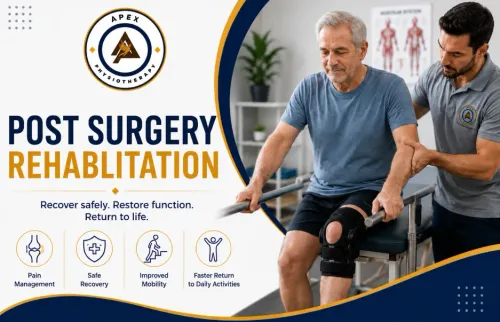
Many people believe recovery ends once pain decreases or surgery is completed. In reality, rehabilitation is the most important phase of recovery. A structured physiotherapy program helps rebuild strength, improve knee stability, restore balance, and prepare you to return safely to daily activities or sports. Apex Physiotherapy Clinic in Bellandur provides personalized ACL rehabilitation programs that guide patients through every stage of recovery using evidence-based physiotherapy techniques.
Understanding an ACL Injury
The anterior cruciate ligament is one of the major ligaments inside the knee joint. It helps control forward movement of the tibia while providing stability during twisting, pivoting, jumping, and sudden direction changes.
ACL injuries commonly occur due to:
- Sudden changes in direction
- Landing awkwardly after a jump
- Pivoting movements
- Direct impact during sports
- Road accidents
- Falls
The injury may involve a partial tear or a complete rupture depending on the amount of force applied.
Common Symptoms of an ACL Injury
Although every injury is different, many people experience:
- A popping sensation during injury
- Immediate knee swelling
- Difficulty walking
- Knee instability
- Pain while bearing weight
- Reduced range of motion
- Difficulty climbing stairs
If these symptoms are present, an early assessment helps determine the severity of the injury and the most appropriate treatment plan.
Is Surgery Always Required?
Not every ACL injury requires surgery.
The decision depends on factors such as:
- Severity of the tear
- Age
- Activity level
- Occupation
- Knee stability
- Participation in sports
Some individuals recover successfully with structured physiotherapy alone, while others may require surgical reconstruction followed by rehabilitation.
Regardless of the treatment approach, physiotherapy remains essential.
Stages of ACL Rehabilitation
Recovery follows a progressive plan rather than a fixed timeline.
Phase 1: Pain and Swelling Management
The initial focus is to reduce inflammation, protect the knee, and restore gentle movement.
Treatment may include:
- Controlled exercises
- Walking guidance
- Swelling management
- Gentle range-of-motion exercises
Phase 2: Restoring Knee Movement
As swelling decreases, exercises focus on regaining flexibility and normal knee motion.
The objective is to restore comfortable movement without placing excessive stress on the healing ligament.
Phase 3: Strength Development
Strong muscles help support the knee joint throughout recovery.
The rehabilitation program emphasizes strengthening of:
- Quadriceps
- Hamstrings
- Gluteal muscles
- Calf muscles
- Core muscles
Balanced strength improves knee stability and movement efficiency.
Phase 4: Balance and Functional Training
Ligament injuries often reduce balance and coordination.
Exercises may include:
- Single-leg balance
- Step training
- Controlled squats
- Functional strengthening
- Movement retraining
These activities prepare the knee for more demanding physical tasks.
Phase 5: Return to Sports
Before returning to sports, patients should demonstrate:
- Full knee mobility
- Adequate strength
- Good balance
- Controlled landing mechanics
- Confidence during movement
Sport-specific exercises gradually prepare the body for higher levels of activity.
Common Mistakes During Recovery
Recovery may take longer when patients:
- Stop exercises after pain decreases
- Return to sports too early
- Skip strengthening sessions
- Ignore balance training
- Miss physiotherapy appointments
Patience and consistency are essential for long-term success.
How Long Does Rehabilitation Take?
Recovery varies depending on:
- Whether surgery was performed
- Severity of the injury
- Overall health
- Consistency with rehabilitation
- Individual healing response
Rather than focusing only on the number of weeks, physiotherapists monitor functional progress before allowing higher levels of activity.
Long-Term Benefits of Proper Rehabilitation
A structured rehabilitation program not only restores knee function but also helps reduce the likelihood of future injuries.
Patients often experience:
- Better knee stability
- Improved strength
- Greater confidence
- Better balance
- Improved athletic performance
- Reduced risk of reinjury
Recovering from an ACL injury requires commitment, but structured physiotherapy provides a clear path toward regaining normal movement and returning to an active lifestyle safely.
If you're recovering from an ACL injury or preparing for post-surgical rehabilitation, Apex Physiotherapy Clinic in Bellandur offers personalized ACL rehabilitation programs focused on restoring knee strength, improving stability, and helping you return confidently to everyday activities and sports.
Keywords