
Posture is often blamed for every episode of neck, shoulder, and back discomfort. However, there is no single “perfect” position that everyone must maintain throughout the day. The more practical concern is remaining in one position for too long, especially when the body lacks the strength or mobility needed for daily work.
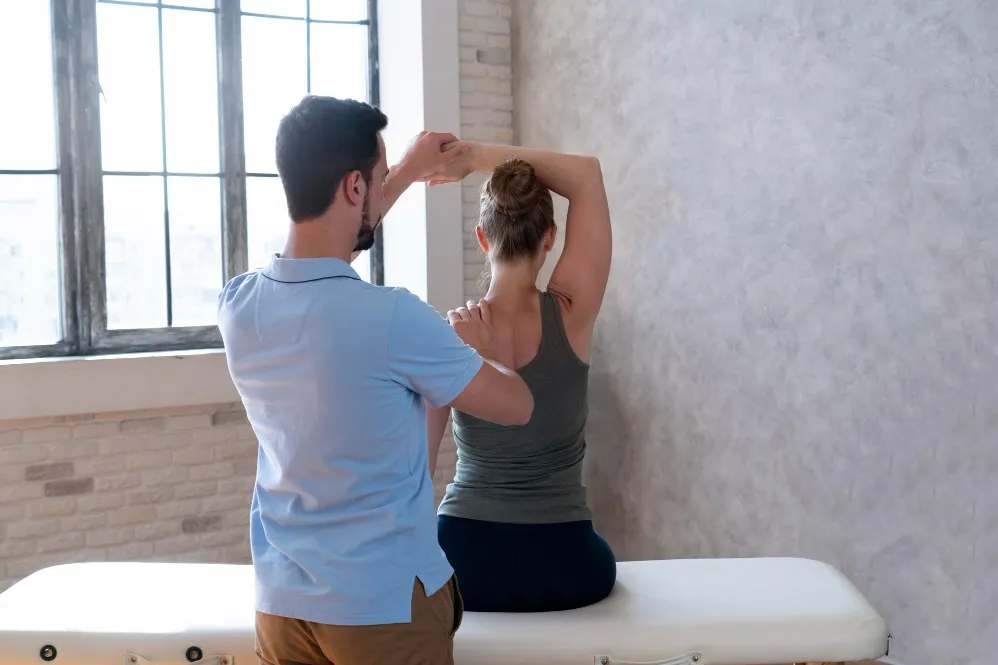
Physiotherapy for posture correction examines how a person sits, stands, moves, and responds to prolonged activity. Apex Physiotherapy Clinic in Bellandur supports office professionals, students, remote workers, and other individuals who experience discomfort during desk-based routines.
Posture Is More Than Sitting Straight
Posture changes naturally according to the task being performed. A relaxed position may be comfortable for a short period but uncomfortable when maintained for several hours. Constantly forcing the shoulders backward can also create unnecessary muscle tension.
A useful posture allows a person to:
- Work without excessive strain
- Change position comfortably
- Breathe normally
- Reach frequently used objects easily
- Keep the screen within a comfortable viewing range
- Move between sitting and standing regularly
The goal is not to hold the body rigidly. It is to improve movement options and reduce prolonged stress on sensitive areas.
Why Desk Work Can Become Uncomfortable
People working in Bellandur’s technology parks and commercial offices may spend long hours using laptops, attending online meetings, or commuting through Bengaluru traffic. These routines can reduce movement throughout the day.
Common contributing factors include:
- A laptop screen positioned too low
- An unsupported chair
- Limited upper-back mobility
- Weakness or reduced endurance in postural muscles
- Reaching repeatedly for the mouse
- Holding the phone between the shoulder and ear
- Long periods without standing or walking
- Sudden increases in gym or recreational activity
Symptoms may include neck stiffness, headaches, shoulder tension, lower-back discomfort, or tingling in the arm. Numbness, progressive weakness, or severe radiating pain should be medically assessed.
How Physiotherapy Supports Postural Improvement
The physiotherapist first reviews symptoms, work habits, mobility, muscle endurance, and movement patterns. Treatment is then matched to the findings.
Mobility exercises may be prescribed for the neck, shoulders, chest, hips, or thoracic spine. Strengthening may focus on the upper back, shoulder stabilisers, abdominal muscles, hips, and other areas that support sustained activity.
The programme may also include movement breaks, breathing exercises, lifting guidance, and gradual exposure to previously uncomfortable tasks.
Practical Changes for a More Comfortable Workday
Small adjustments are often easier to maintain than a complete workstation redesign.
- Place the screen near eye level and directly in front of the body.
- Keep the keyboard and mouse within easy reach.
- Support the feet on the floor or a stable footrest.
- Change position every 30 to 60 minutes when practical.
- Use brief walks, shoulder movements, or standing tasks as activity breaks.
- Avoid working from a bed or sofa for extended periods.
- Increase exercise gradually when returning after inactivity.
Posture correction is best understood as improving physical capacity, workspace habits, and movement variety. It is not about forcing the spine into one fixed alignment. An individual assessment can help identify which changes are relevant instead of applying the same exercises to every person.
Keywords