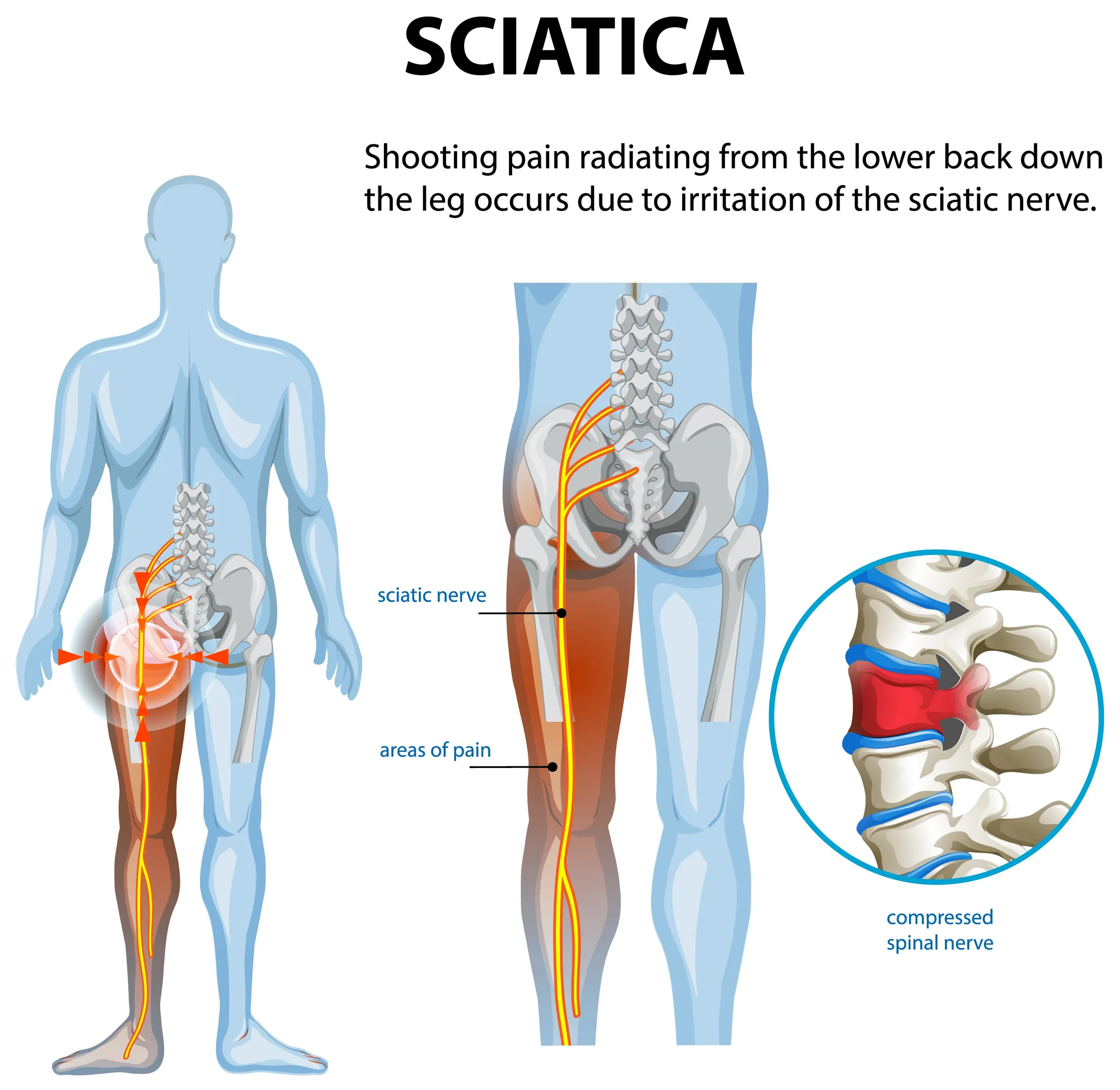
Many people assume leg pain originates in the leg itself. However, in cases of sciatica, the underlying issue often begins in the lower back. Sciatica occurs when the sciatic nerve becomes irritated or compressed, leading to symptoms that can travel from the lower back through the buttocks and down the leg.
Sciatica Pain Physiotherapy Treatment aims to identify the source of nerve irritation and develop a rehabilitation plan that supports recovery while improving movement and function.
Symptoms commonly associated with sciatica include:
- Sharp or shooting leg pain
- Tingling sensations
- Numbness
- Burning discomfort
- Muscle weakness
- Difficulty sitting for extended periods
The condition can result from several factors, including disc-related issues, spinal degeneration, muscle tightness, or nerve compression. Because symptoms can vary significantly, a detailed assessment is essential for determining the most appropriate treatment strategy.
Physiotherapists evaluate:
- Spinal movement patterns
- Nerve mobility
- Muscle strength
- Flexibility limitations
- Postural habits
- Functional movement abilities
Treatment is designed to address both symptoms and contributing factors. Rather than focusing solely on temporary pain relief, physiotherapy seeks to improve overall function and reduce recurrence risk.
Rehabilitation may include:
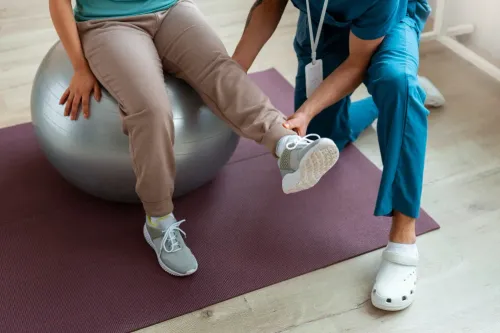
- Nerve mobility exercises
- Core strengthening programs
- Postural correction
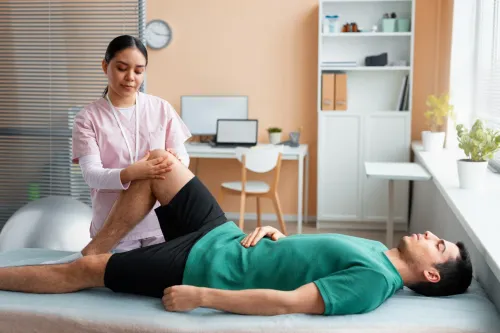
- Manual therapy techniques
- Movement education
- Functional rehabilitation exercises
In Bengaluru, Karnataka, sciatica is increasingly reported among office workers, drivers, and individuals with sedentary lifestyles. Long periods of sitting can contribute to spinal stress and movement dysfunction, increasing the likelihood of nerve-related symptoms.
A common misconception is that complete rest is the best solution for sciatica. While certain activities may need modification during acute phases, prolonged inactivity can sometimes worsen stiffness and delay recovery. Guided movement and individualized exercise programs are often important components of rehabilitation.
Physiotherapy also helps patients understand triggers that may aggravate symptoms. Learning proper body mechanics, lifting techniques, and workplace ergonomics can support long-term spinal health.
Apex Physiotherapy provides individualized rehabilitation plans for patients dealing with sciatica and related spinal conditions. Through comprehensive assessment and evidence-based treatment approaches, the clinic helps patients work toward improved mobility and reduced discomfort.
Understanding the source of sciatica symptoms is the first step toward meaningful recovery. With proper physiotherapy support, many individuals can improve function, manage symptoms effectively, and return to their daily activities with greater confidence.
Keywords