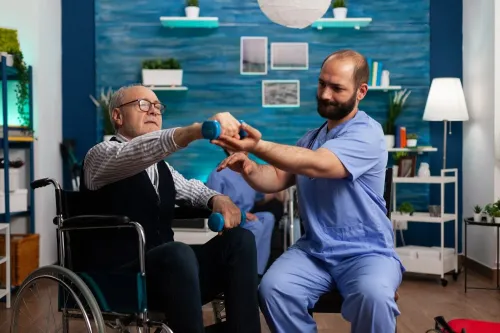
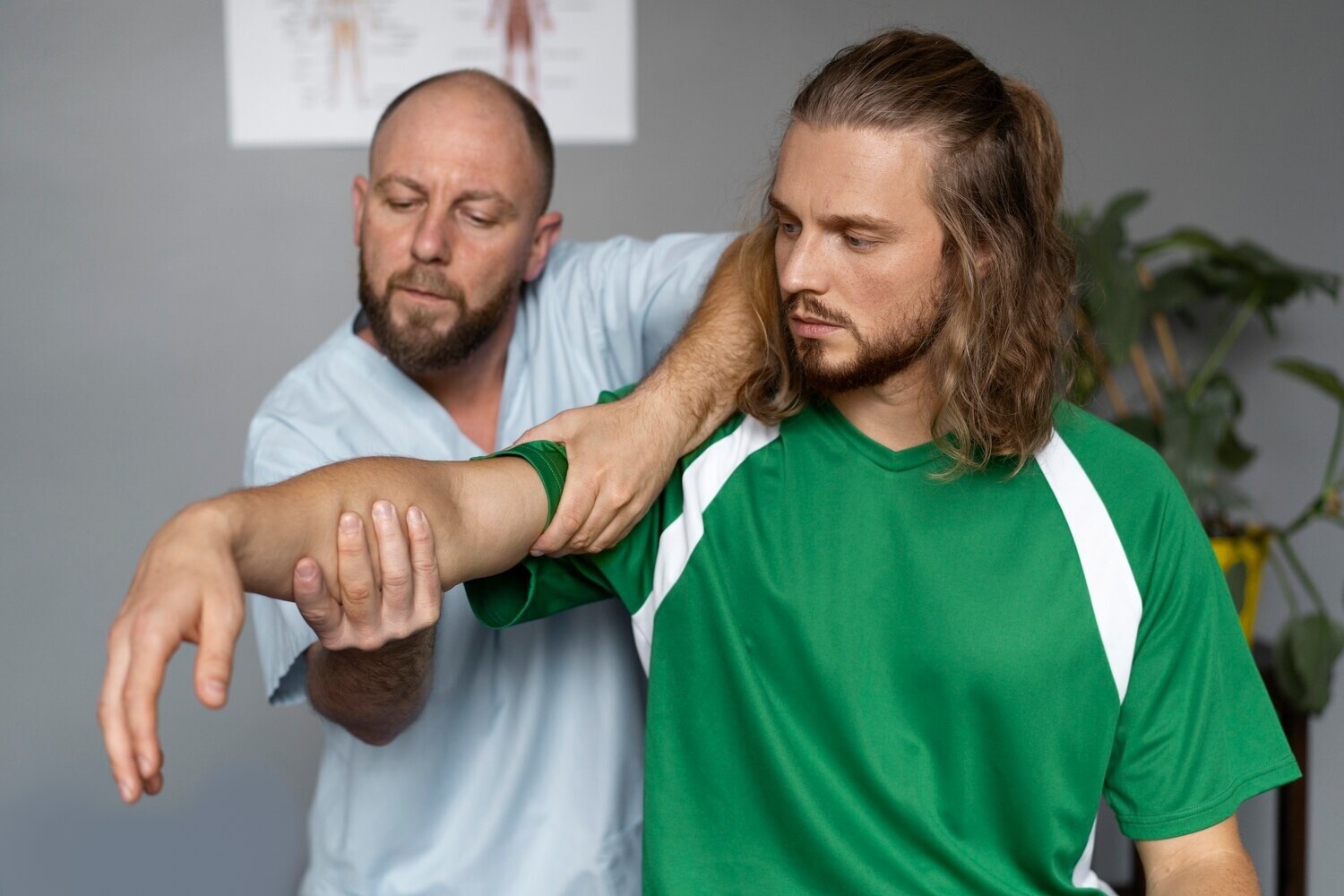
Hands-on treatment can make a stiff ankle, painful calf, or restricted hip easier to move, but it cannot prepare your body for every sprint, landing, hill, or uneven surface. You will learn where manual therapy belongs in an outdoor plan, which limitations deserve attention, and how to pair treatment with conditioning, load management, and Bengaluru-specific heat, rain, and air-quality decisions.
Key takeaways
- Use manual therapy to improve movement before the exercise that needs it.
- Match mobility work to your sport’s demands, not a generic flexibility checklist.
- Adjust training for Bengaluru heat, rain, uneven surfaces, and poor air quality.
- Book treatment when pain or restricted movement changes your training technique.
Where Manual Therapy Fits Before, During, and After Outdoor Training
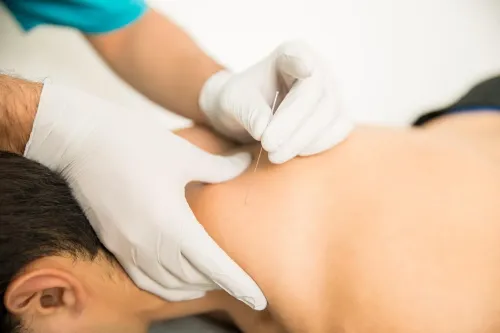
Manual therapy does not directly prevent sports injuries. Joint mobilisation, soft-tissue mobilisation, muscle-energy techniques, and myofascial work can briefly reduce pain or stiffness and improve range of motion. That change matters only when it helps you perform the next exercise or sport movement with better control and less pain.
| Approach | Main use | Prevention value |
|---|---|---|
| Manual therapy for outdoor training | Improve a measurable restriction before or after running, cycling, hiking, field sports, or recreational games | Indirect; it supports active rehabilitation but does not build capacity alone |
| FIFA 11+ | Running, strength, balance, and plyometric exercises before football | Directly relevant; trials found roughly 30% fewer injuries |
| Progressive strength training | Build muscle, tendon, joint, and landing capacity | Stronger prevention evidence; reviews report about one-third fewer sports injuries |
| Stretching or routine pre-session massage | Temporarily change flexibility, soreness, or perceived readiness | Not a substitute for strength, warm-up, skill, or load management |
Before training, treatment can help if a stiff ankle, painful calf, or restricted hip prevents a proper warm-up. During a training block, it can keep pain from blocking prescribed exercise. Afterward, it may ease symptoms, but recovery still depends on sleep, nutrition, gradual exposure, and managing weekly load.
For manual therapy sports injury prevention, judge success by ankle motion, running pain, balance, hop quality, or strength—not by feeling temporarily loose. Strength, agility, landing skill, sport-specific conditioning, and recovery provide the main protection.
Which Movement Limitations Matter for Your Sport?
A restriction matters when it changes a sport-specific task, reduces load capacity, causes symptoms, or remains after warm-up—not simply because one side is tighter. A physiotherapist compares sides, tests strength and control, then retests the movement under the exposure you face.
| Finding | What the clinician tests | Exposure link |
|---|---|---|
| Ankle dorsiflexion and calf capacity | Knee-to-wall range, single-leg calf raises, endurance and power | Trail descents and uneven ground; walkers need ankle and hip capacity |
| Hip rotation and hamstring tolerance | Rotation range, resisted strength, stretch and running tolerance | Football acceleration and cutting; cyclists need sustained hip position |
| Single-leg balance and hop quality | Balance, landing noise, knee tracking, repeated hops and strength symmetry | Uneven trails, field changes of direction and return-to-running readiness |
| Thoracic rotation and shoulder control | Trunk rotation, scapular control, overhead reach and side-to-side strength | Cycling posture, arm drive, and upper-body stability on trails or games |
| Landing and cutting mechanics | Braking, knee and hip control, trunk position, push-off and deceleration | Football requires acceleration and cutting control; walkers need stable step-downs |
Joint mobilisation targets a stiff joint; soft-tissue mobilisation addresses painful or restricted muscle and fascia; muscle-energy techniques use controlled contractions to improve active range; myofascial work aims to reduce sensitivity and movement restriction. These are manual therapy for athletes, not proof of prevention.
If the change disappears under load, build it with sports conditioning physiotherapy in Bengaluru: strength, power, balance, running mechanics, landing control and progressive load tolerance. A normal variation becomes relevant when it fails the demand your sport repeatedly imposes.
What Happens in a Manual Therapy Assessment?
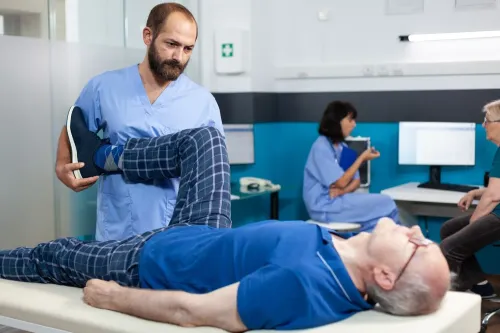
The aim of manual therapy for sports injury prevention is to connect a physical finding with the demands of your outdoor training, not simply make tissue feel looser. Expect the appointment to follow this sequence:
1. You describe current symptoms, previous injuries, your sport, weekly training volume, recent workload changes, footwear, sleep, recovery, and pain during or after activity.
2. The clinician examines your running route, trail, court, or field demands, including uneven ground, descents, cutting, acceleration, repeated jumping, or sustained cycling position.
3. You complete movement and capacity tests such as ankle dorsiflexion, calf raises, hip rotation, single-leg balance, strength symmetry, hop quality, landing control, or shoulder control.
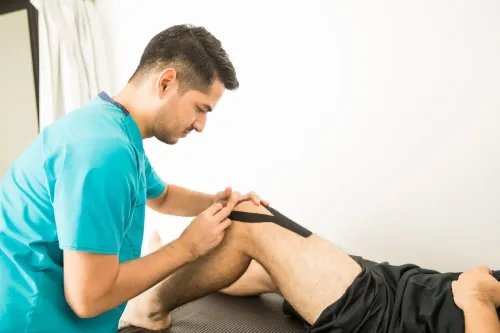
4. The clinician applies targeted hands-on treatment to the relevant restriction. Joint mobilisation, soft-tissue work, muscle-energy techniques, or myofascial work should support a specific movement goal rather than provide routine massage.
5. The clinician retests a meaningful measure, such as pain during running, ankle range, balance, hop quality, or shoulder control. A looser-feeling calf does not prove better function. Test the response through your actual warm-up or sport movement; deep work that causes soreness, bruising, numbness, or reduced readiness is poorly timed before explosive training.
6. You leave with home or field-based exercises for strength, balance, landing, running mechanics, and load tolerance, plus clear guidance on what to monitor before your next session.
How Bengaluru Heat, Rain, Surfaces, and Air Quality Change the Plan
Adapt the session to Bengaluru’s environment before relying on manual therapy for outdoor training. Hands-on treatment cannot correct dehydration, poor cooling, excessive intensity, or an abrupt return to full training after time in a cooler climate.
- Acclimatize over roughly 7 to 14 days of repeated heat exposure. Keep fluids, shade, rest breaks, and cooling available; monitor heat conditions and reduce or stop exercise when they become hazardous.
- Check the route after rain. Slippery pavement, courts, trails, and fields increase ankle and knee-control demands. Choose an indoor session, a dry track, or another lower-risk surface when footing is unreliable.
- Check the Central Pollution Control Board National Air Quality Index before training. Reduce intensity or move indoors on poor-air-quality days, particularly if you have asthma or another respiratory disease.
- Increase weekly running or field workload through conditioning, strength, balance, and graded exposure—not by booking passive treatment more frequently.
Rain can also conceal potholes, loose soil, and standing water, turning familiar routes into different movement challenges. A physiotherapist can adjust drills and surface exposure, but no mobilisation or soft-tissue technique makes an unstable landing safe.
Sports conditioning physiotherapy in Bengaluru should match workload to heat, air quality, surface, and recovery. If symptoms, dizziness, unusual breathlessness, confusion, or persistent weakness develop, stop, cool down, and seek medical help rather than attempting to treat through the session.
How Often Should Athletes Use Manual Therapy?
Book another session only when a specific finding limits training, treatment produces a measurable improvement, and that improvement helps you perform better. Frequency depends on the finding, sport exposure, training load, symptom response, and whether the change lasts after you run, ride, cut, land, or climb.
| Option | Decision signal | Next step |
|---|---|---|
| Repeat manual therapy | A restriction returns and limits a tested movement or sport task | Reassess, treat selectively, then retest |
| Continue exercises | Pain, range, balance, strength, or hop quality is improving under load | Progress strength, proprioception, balance, agility, and sport-specific drills |
| Seek medical assessment | Symptoms worsen, fail to match the expected pattern, or follow significant trauma | Stop preventive treatment until assessed |
A short-term mobility gain is not useful capacity by itself. Manual therapy for athletes should support repeated active exercise and gradual load exposure, not replace conditioning; manual therapy sports injury prevention works indirectly when it helps you train better.
Retest ankle dorsiflexion, single-leg balance, strength symmetry, hop quality, pain during running, and weekly training load. Apex Physiotherapy in Bellandur can be a practical option when you need an individualized assessment linking a restriction to outdoor-training demands and a field-based exercise plan.
Inability to bear weight, marked swelling or deformity, suspected fracture, locking, neurological loss, fever, or calf swelling with breathlessness require medical evaluation instead of a preventive session.
Related services
Manual Therapy Manual Therapy is a specialized hands-on physiotherapy technique designed to reduce pain, improve mobility, restore joint function, and accelerate... View service → |
Sports Rehabilitation Sports Rehabilitation is a specialized physiotherapy program designed to help athletes and active individuals recover from injuries, improve... View service → |
Frequently asked questions
When should athletes use manual therapy around outdoor training?
Use it before training when restricted movement affects a planned exercise, during a session when pain or stiffness changes technique, and after training when recovery is limited by symptoms. Manual therapy supports movement; it does not replace strength, conditioning, warm-ups, or load management.
Which movement limitations matter for different sports?
Assess the joints and movements your sport repeatedly demands. Runners may need ankle dorsiflexion, hip extension, and single-leg control; cyclists need comfortable hip, knee, and ankle motion; field-sport athletes also need cutting, landing, acceleration, and deceleration control.
What happens during a manual therapy assessment?
A physiotherapist reviews your training load, injury history, symptoms, sport, and upcoming session. They observe relevant movements, compare sides, test strength and range of motion, and use manual techniques only when the findings show they could improve the next training task.
How do Bengaluru conditions change an outdoor training plan?
Heat increases fluid and fatigue demands, rain makes surfaces slippery, uneven ground increases balance demands, and poor air quality can make hard outdoor efforts unsuitable. Modify timing, hydration, footwear, route, intensity, or location to match those conditions.
How often should athletes use manual therapy?
Use manual therapy when an assessment identifies a movement or pain problem that limits training. Frequency depends on symptoms, training load, response to treatment, and the rehabilitation plan; ongoing prevention still relies on progressive strength, conditioning, technique, recovery, and sensible workload changes.
Keywords