
Joint pain can affect simple activities such as climbing stairs, walking to work, exercising, lifting objects, or getting out of a chair. Although temporary discomfort may settle with rest, recurring pain, swelling, stiffness, or reduced movement often requires a closer assessment.
Joint pain physiotherapy treatment focuses on identifying the factors affecting movement and creating a structured rehabilitation plan. At Apex Physiotherapy Clinic in Bellandur, treatment planning begins with understanding the painful joint, the duration of symptoms, daily activity demands, previous injuries, and relevant medical conditions.
Why Joint Pain Develops
Joint discomfort does not always have a single cause. It may be associated with:
- Osteoarthritis and age-related joint changes
- Previous sprains, fractures, or sports injuries
- Muscle weakness around the joint
- Repetitive work or exercise
- Reduced mobility after prolonged rest
- Poor movement control
- Tendon or ligament irritation
- Inflammatory health conditions
The knees, shoulders, hips, ankles, wrists, and spinal joints are commonly affected. The nature of the pain also matters. Discomfort during movement may require a different approach from pain that occurs at rest or is accompanied by visible swelling.
What Happens During a Physiotherapy Assessment
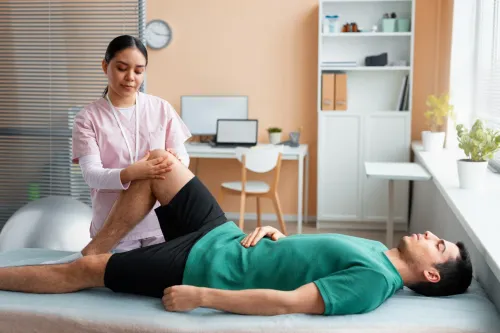
A physiotherapist evaluates more than the painful area. The assessment may include joint mobility, muscle strength, balance, flexibility, walking pattern, and the way a person performs relevant activities.
For example, knee pain while climbing stairs may be influenced by hip weakness, restricted ankle movement, or poor control during bending. Shoulder discomfort while reaching overhead may involve the shoulder blade, upper back, and neck.
This broader assessment helps determine which movements should be restored and which activities may need temporary modification.
Common Elements of Joint Rehabilitation
A treatment programme may combine several methods depending on the diagnosis and functional limitations.
Movement and flexibility exercises
Gentle mobility exercises may be used to reduce stiffness and gradually restore the joint’s comfortable range of motion.
Strengthening
Improving the strength of muscles surrounding a joint can provide better support during everyday movement. Exercises are usually progressed according to tolerance rather than introduced at a high intensity immediately.
Balance and movement retraining
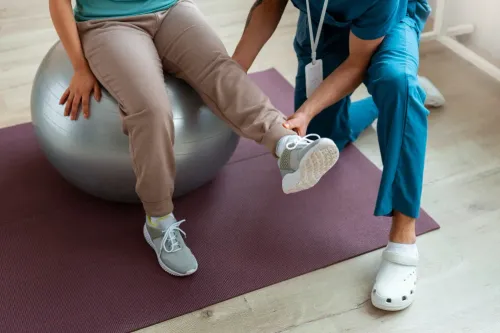
Joint injuries can affect coordination and confidence. Balance drills and functional exercises may help a person return to walking, stair climbing, work, or recreational activity more safely.
Manual therapy
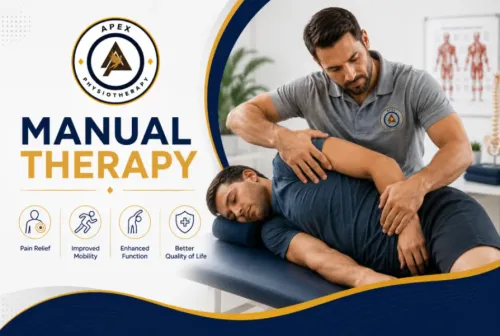
Hands-on techniques may sometimes be used to address restricted movement or soft-tissue tightness. They are generally combined with active rehabilitation rather than treated as a complete solution.
Activity guidance
Patients may receive advice on pacing, workplace positioning, footwear, exercise selection, and safe ways to resume daily tasks.
When Joint Pain Needs Medical Attention
Physiotherapy is not the first step in every situation. Prompt medical evaluation is important when joint pain follows a major injury or is accompanied by severe swelling, visible deformity, fever, unexplained redness, inability to bear weight, or sudden loss of movement.
Persistent night pain and symptoms that continue to worsen also require appropriate investigation.
For residents of Bellandur and nearby Bengaluru neighbourhoods, early assessment can clarify whether the problem is suitable for physiotherapy or requires medical referral. A well-planned programme aims to improve movement, strength, and participation in daily activities without making unrealistic promises about recovery time.
Keywords