Neurological conditions can affect movement, strength, balance, coordination, sensation, and independence. The impact may range from mild difficulty using one hand to significant assistance needs during standing, walking, or personal care.
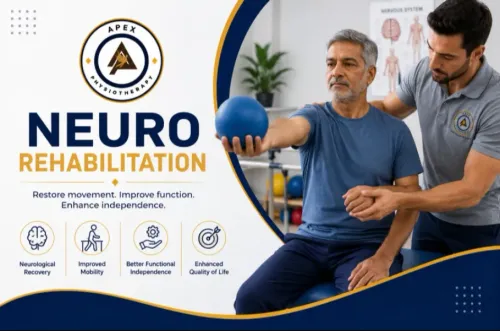
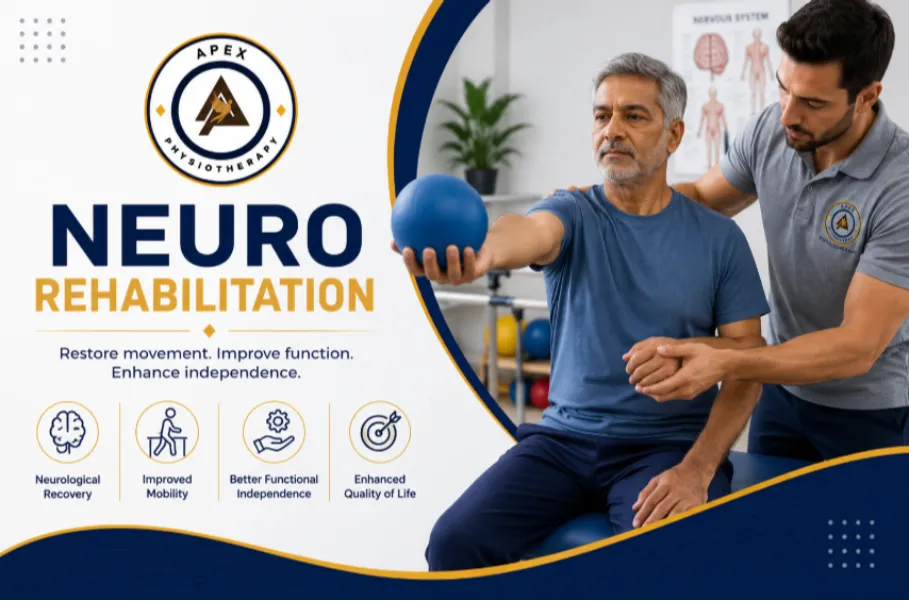
Neuro rehabilitation therapy helps people practise meaningful movements and develop strategies for managing functional limitations. Apex Physiotherapy Clinic plans neurological rehabilitation according to the diagnosis, medical stability, current abilities, caregiver support, and individual goals.
Who May Need Neuro Rehabilitation?
Neurological physiotherapy may support people living with:
- Stroke-related movement difficulties
- Parkinson’s disease
- Multiple sclerosis
- Spinal cord conditions
- Traumatic brain injury
- Peripheral nerve injuries
- Balance and coordination disorders
- Weakness after neurological illness
- Other conditions affecting movement control
The programme varies significantly between individuals. A person recovering from a stroke may require practice using one side of the body, while someone with Parkinson’s disease may need strategies for initiating movement, turning, and maintaining step length.
What Is Assessed Before Treatment?
A neuro physiotherapy assessment may examine:
- Muscle strength and control
- Joint mobility
- Muscle tone
- Balance in sitting and standing
- Walking pattern
- Coordination
- Sensation
- Transfer ability
- Fatigue and exercise tolerance
- Risk of falling
- Assistance required during daily activities
The physiotherapist may also discuss the home environment, caregiver concerns, and tasks that are important to the individual. These could include walking to the bathroom, using stairs, returning to work, or managing activities with less assistance.
What Neuro Rehabilitation May Involve
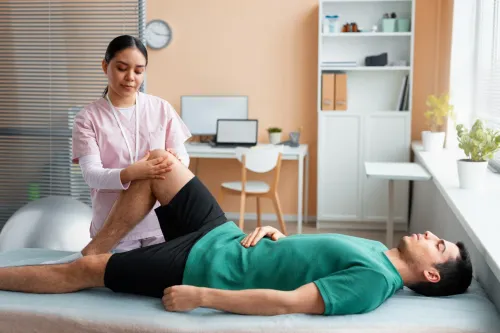
Treatment is generally based on repeated, goal-directed practice. Depending on the person’s needs, it may include:
- Bed mobility and transfer training
- Sitting and standing balance activities
- Strength and movement-control exercises
- Walking practice
- Coordination exercises
- Stretching and positioning guidance
- Use of suitable walking aids
- Strategies for managing fatigue
- Caregiver education
- A supervised home programme
Repetition is important, but movements should be performed with suitable assistance and safety measures. More exercise is not automatically better when fatigue, dizziness, blood pressure changes, or medical restrictions are present.
Neuro Rehabilitation Therapy in Bellandur
People receiving neuro rehabilitation in Bellandur may need to navigate apartment entrances, lifts, office spaces, busy Bengaluru roads, and uneven walking surfaces. Therapy should gradually prepare them for the environments they regularly use.
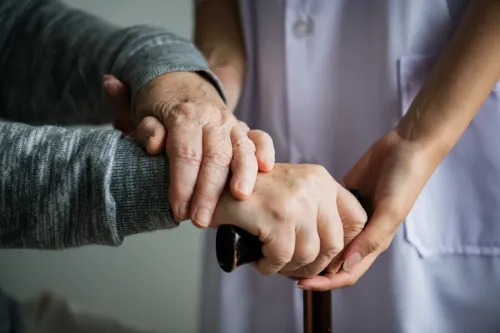
Family participation can be valuable when the patient requires assistance outside therapy sessions. Caregivers may receive guidance on transfers, positioning, safe walking support, and ways to encourage participation without completing every task for the person.
Progress may appear through improved balance, safer transfers, better walking quality, increased endurance, or reduced assistance during daily activities. The pace of improvement depends on the neurological condition, severity, overall health, and consistency of rehabilitation.
Sudden facial weakness, speech difficulty, one-sided weakness, severe headache, or abrupt loss of balance may indicate a medical emergency and requires immediate hospital care.
To discuss a personalised neuro rehabilitation programme, schedule an assessment with Apex Physiotherapy Clinic. The clinic can evaluate present functional needs and establish practical therapy goals for the patient and family.
Keywords