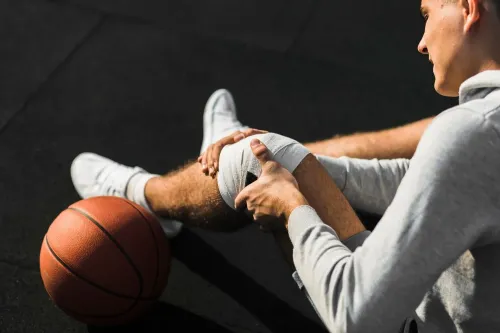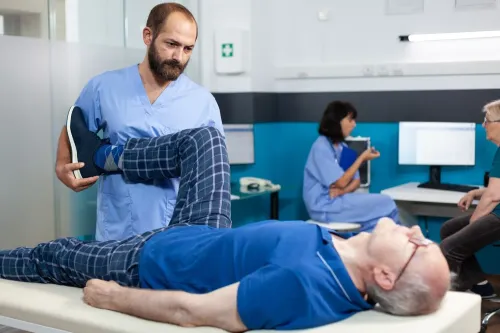
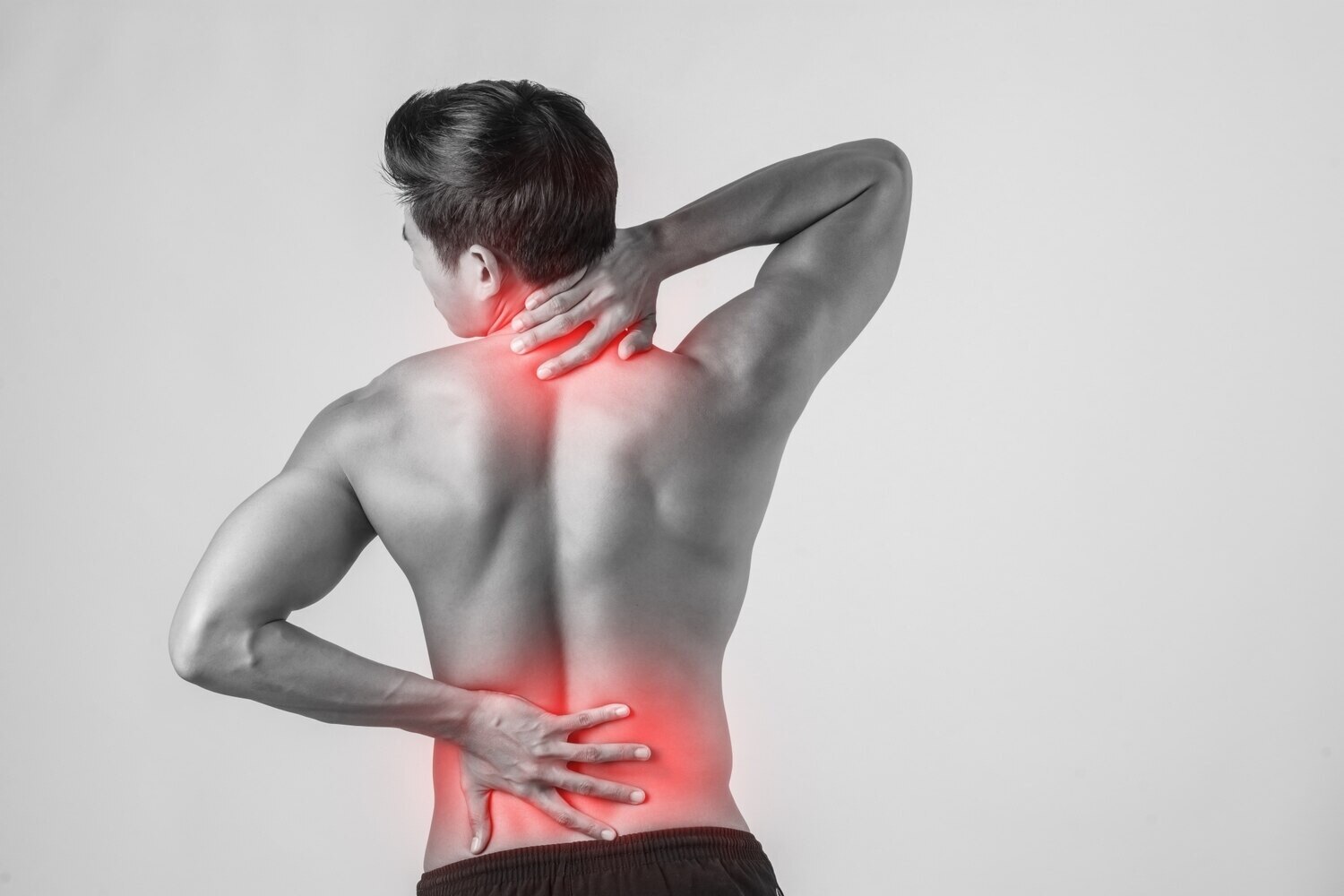
Pain that appears during running, lifting, sprinting, jumping, or sport drills is not automatically an injury, but sharp symptoms, altered movement, swelling, weakness, and next-day deterioration need a different response. By the end, you will know how to monitor pain, modify the session, identify load and equipment errors, and decide when conditioning pain management in Bengaluru requires professional assessment.
Key takeaways
- DOMS starts hours later; immediate, precise pain deserves attention.
- Stop or modify the exercise when pain changes your movement.
- Reduce load, volume, speed, or range instead of pushing through sharp pain.
- Seek assessment for persistent pain, swelling, weakness, or altered movement.
Is this normal conditioning discomfort or a warning sign of injury?
Delayed-onset muscle soreness (DOMS) usually starts 12–24 hours after an unfamiliar or unusually hard workload, peaks at 24–72 hours, and settles over several days. Pain during sports conditioning is more concerning when it starts immediately, stays in one precise area, or changes how you move.
Treat these symptoms as reasons to change the plan:
- Sharp, escalating, or localised pain
- Focal tenderness, swelling, or bruising
- Instability, numbness, weakness, or reduced range of motion
- Limping, altered technique, or pain that continues after training
- Symptoms that worsen each session or leave greater stiffness the next morning
Continue only when discomfort stays controlled, movement quality remains normal, and symptoms return to baseline by the next morning. Some tendon-loading plans use a predetermined limit of up to 5/10 during exercise, but increasing next-day stiffness means you should reduce the dose. That limit is not permission to push through injury.
Stop and seek assessment for sharp or escalating pain, neurological symptoms, instability, or any problem that limits normal function. This monitoring framework supports sports injury pain management in Bengaluru, but it cannot diagnose the cause. DOMS should gradually improve; pain that persists, spreads, or repeatedly returns when training increases deserves an in-person evaluation.
What should you change when pain starts during the session?
Stop the provoking drill as soon as pain changes your movement, feels sharp or localised, or keeps rising. Identify the exact movement and body position that triggered it, then retest only at an easier dose.
- Reduce the load, shorten the range of motion, and slow the speed.
- Remove hills, sprinting, jumping, or other impact.
- Substitute a low-impact option only if it does not reproduce symptoms.
- Stop the session if pain escalates, weakness appears, or technique remains altered.
| Option | What to change | When it applies |
|---|---|---|
| Cycling | Use easy resistance and steady cadence | Running or impact reproduces symptoms |
| Walking | Reduce pace and distance | Brisk conditioning increases pain |
| Pool work | Use water-supported movement | Land-based loading remains provocative |
| Modified drill | Lower resistance, speed, or range | The pattern is tolerable at an easier dose |
Record the exercise, sets, distance, speed, surface, footwear, pain level during the session, and symptoms later that day and the next morning. This log supports pain management for conditioning sports injury problems in bengaluru by revealing which dose causes a reaction.
Complete rest is not always the best first move. Active load modification preserves conditioning while avoiding the provoking dose; rest can hide the problem and invite an abrupt return. A pain-free day does not justify returning immediately to full intensity. Progress one variable at a time after symptoms and function remain stable for 24 hours.
Which training and recovery errors are driving the pain?
Audit the preceding 7–14 days before blaming pain during sports conditioning on one exercise. Compare running distance, sprint volume, lifting load, repetitions, impact, hill work, training frequency, and back-to-back hard sessions with the previous two weeks. A sudden spike can exceed tissue tolerance, but no single workload ratio predicts injury for every athlete.
Change one variable at a time; do not stop everything or jump straight back to the old workload.
| Error to check | What changed | Practical correction |
|---|---|---|
| Workload | More distance, sprints, hills, impact, load, repetitions, or sessions | Reduce one variable, then reassess next-day symptoms |
| Recovery | Inadequate warm-up, poor sleep, insufficient food or protein, dehydration, or missing rest days | Restore a gradual warm-up, regular meals, fluids, sleep, and easy days |
| Environment and equipment | Bengaluru heat and humidity, worn or unsuitable footwear, changed playing surface, or new equipment | Shorten or move the session, replace footwear, and adapt gradually |
| Fatigue | Technique breaks down late in a session or after back-to-back hard days | Stop the fatigued drill and reduce speed, load, or volume |
For conditioning pain management in Bengaluru, treat headache, dizziness, nausea, unusual weakness, confusion, fainting, or loss of coordination as possible heat illness. Stop, cool down, and seek urgent help for confusion, collapse, seizure, or inability to drink.
What does the pain location suggest you should modify?
Pain location and the movement that provokes it should guide modification, not prove a diagnosis. For knee pain during squats or running, test shallower depth, cadence, downhill running, and load, and check for swelling. Shoulder pain during pressing or throwing calls for less overhead volume while you assess range, strength, and technique.
Back pain under load requires reduced spinal loading; stop if numbness, weakness, or pain spreads into a limb.
| Option | What it changes | What it does not fix |
|---|---|---|
| Active modification | Reduces load, range, speed, impact, hills, or sport-specific force | The underlying workload, movement, or capacity problem unless progressed |
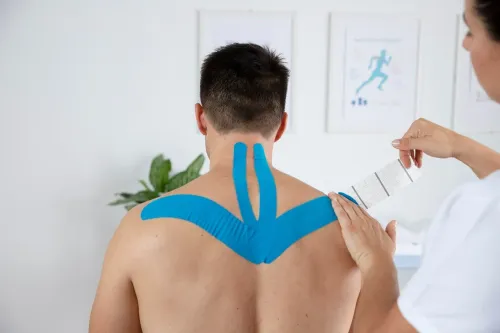
| Stretching, ice, heat, massage, or taping | Symptoms or comfort for a short period | Tissue capacity and the provoking training dose |
| Progressive tendon loading | Builds capacity through isometric, isotonic, eccentric, or heavy-slow-resistance work | A universal programme; selection and progression must follow symptoms and function |
| Ibuprofen, diclofenac, or other NSAIDs | Pain and inflammation sensations | Coordination, tissue capacity, or safe workload tolerance |
For calf or Achilles pain with impact, remove sprinting and jumping and consider graded calf loading instead of aggressive stretching. For groin pain during cutting or acceleration, reduce lateral force and acceleration work.
Do not use NSAIDs as routine training supplements: dehydration, heat exposure, kidney disease, ulcer history, anticoagulants, or combining NSAIDs increases concern for bleeding, kidney injury, fluid retention, and cardiovascular effects; ask a clinician or pharmacist about suitability.
This approach supports sports injury pain management in Bengaluru and pain management for conditioning sports injury problems in Bengaluru.
When should you seek care in Bengaluru, and how do you return to training?
Arrange an in-person physiotherapy, sports-physician, or orthopaedic assessment when pain returns every time conditioning increases, outlasts the expected recovery period, disturbs sleep or work, changes walking or technique, or reduces strength and sport-specific function. Imaging is not automatically required for persistent pain; examination can identify tissue involvement, neurological signs, load errors, and referral needs.
Seek urgent medical care after a twist if you cannot take four steps, have marked bone tenderness, substantial swelling, or possible fracture. After a suspected concussion, stop play and seek emergency assessment for worsening severe headache, repeated vomiting, seizure, confusion, unusual drowsiness, weakness or numbness, slurred speech, or unequal pupils.
During Bengaluru heat exposure, treat collapse or confusion as an emergency; stop exercise and seek urgent help for seizure or inability to drink.
Return in this order:
- Reintroduce walking or easy running.
- Add resistance training.
- Add impact, such as jumping.
- Add speed work.
- Add cutting and sport-specific drills.
Advance one step only when symptoms and function remain stable during the session and for the next 24 hours. This graduated approach is central to conditioning pain management in Bengaluru and sports injury pain management in Bengaluru.
Apex Physiotherapy in Bellandur can assess movement, strength, training load, and return-to-sport progress when treating pain in isolation would leave the cause unclear.
Related services
Sports Rehabilitation Sports Rehabilitation is a specialized physiotherapy program designed to help athletes and active individuals recover from injuries, improve... View service → |
Chronic and Acute Pain Management Chronic and Acute Pain Management Chronic and Acute Pain Management is a specialized physiotherapy approach focused on reducing pain, improving mobility, and restoring overall... View service → |
Frequently asked questions
How can you tell DOMS from an injury during sports conditioning?
DOMS usually begins 12–24 hours after an unfamiliar or hard workload, peaks at 24–72 hours, and settles over several days. Injury pain starts during exercise, stays in one precise area, or changes how you move.
What should you do when pain starts during a conditioning session?
Stop the painful movement and check whether reducing the load, speed, range, or volume removes the pain. Do not continue if pain is sharp, worsening, or altering your technique.
Which training errors can cause pain during sports conditioning?
Rapid increases in workload, repeated high-intensity sessions, inadequate recovery, poor technique, and ignoring early symptoms can drive conditioning pain.
When should you seek sports injury pain management in Bengaluru?
Seek assessment for persistent or worsening pain, swelling, bruising, weakness, numbness, instability, inability to bear weight, or movement changes. A physiotherapist can guide modification and a graded return to training.
Keywords