
Recurring pain can create a frustrating cycle. Symptoms settle temporarily, activity increases, discomfort returns, and the person becomes uncertain about which movements are safe. Repeated rest may reduce physical capacity, while returning to demanding activity too quickly can trigger another flare-up.
Pain management and rehabilitation provide a structured way to understand symptoms, improve function, and rebuild activity tolerance. Apex Physiotherapy Clinic develops rehabilitation plans according to the condition, physical findings, personal goals, and response to movement.
Pain Relief and Rehabilitation Serve Different Purposes
Pain relief measures may help reduce discomfort in the short term. Rehabilitation addresses the factors that influence movement and daily function over a longer period.
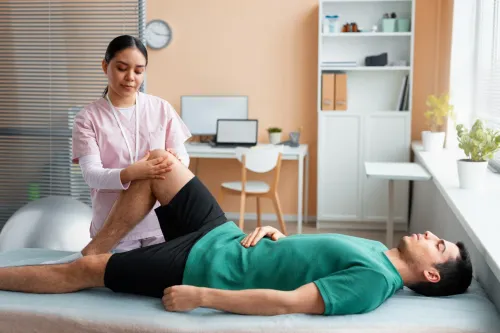
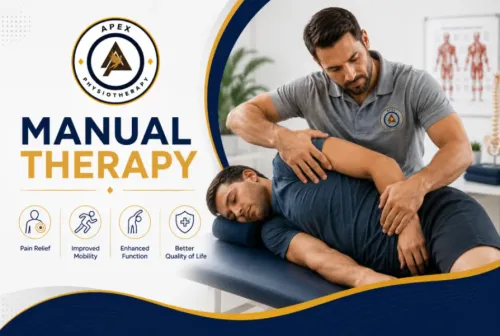
For example, manual therapy or heat may make movement more comfortable, but a person may still require strengthening, flexibility work, and gradual activity progression. An effective plan may use symptom-relieving techniques while keeping active rehabilitation at its centre.
Treatment does not need to wait until every symptom has disappeared. In many cases, carefully selected activity can begin within a tolerable range and progress gradually.
Problems That May Benefit from Rehabilitation
Pain management physiotherapy may be considered for:
- Recurring back or neck pain
- Osteoarthritis-related discomfort
- Shoulder or knee pain
- Muscle and tendon problems
- Sports and workplace injuries
- Pain after immobilisation
- Persistent stiffness
- Reduced function following surgery
- Difficulty returning to exercise
The same diagnosis can affect two people differently. One person with knee pain may struggle mainly with stairs, while another may experience difficulty sitting for long periods or returning to sport. Rehabilitation should reflect those differences.
What a Problem-Solving Treatment Plan Includes
A physiotherapist may begin by identifying aggravating activities, movement restrictions, strength deficits, and recovery patterns. The plan can then address several areas.
Managing activity levels
Pacing helps prevent the repeated pattern of overactivity followed by prolonged rest. Activities can be divided into manageable amounts and increased as tolerance improves.
Restoring movement
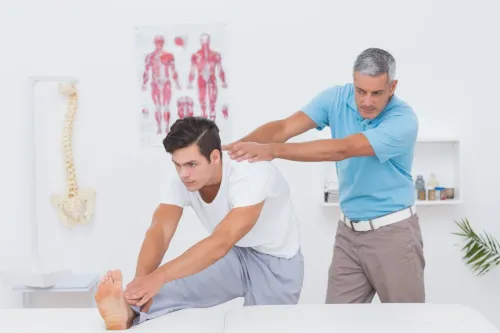
Mobility exercises may be used when stiffness prevents comfortable performance of everyday tasks.
Building strength and endurance
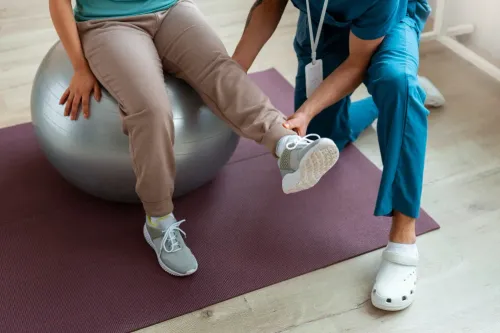
Progressive exercise prepares muscles and joints for work, household responsibilities, travel, and recreation.
Improving movement technique
Lifting, bending, reaching, walking, or sporting movements may be retrained when inefficient patterns repeatedly provoke symptoms.
Planning for flare-ups
Patients can learn how to adjust exercise intensity, use temporary activity modifications, and resume the programme after symptoms settle.
Pain Management and Rehabilitation in Bellandur
A rehabilitation plan for someone living or working in Bellandur should account for long desk hours, Bengaluru traffic, limited weekday activity, weekend sports, and other regional lifestyle demands. Exercises that cannot fit into the person’s routine are unlikely to be followed consistently.
Recovery is better judged through function than pain intensity alone. Useful indicators include improved sleep, longer walking tolerance, easier stair use, fewer interruptions at work, and greater confidence during movement.
Pain associated with major trauma, unexplained fever, progressive weakness, loss of bladder or bowel control, or rapidly worsening symptoms requires medical investigation.
If recurring pain is preventing a consistent return to activity, book an assessment with Apex Physiotherapy Clinic. A personalised rehabilitation programme can help you progress towards realistic functional goals with appropriate clinical guidance.
Keywords