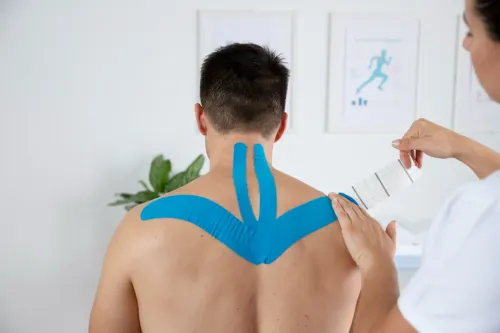

Good posture is often associated with standing straight, but it involves much more than appearance. The way you sit, stand, walk, and even sleep influences how your muscles and joints function every day. Poor posture can gradually place excessive strain on the neck, shoulders, spine, hips, and knees, leading to discomfort that affects work, exercise, and daily activities.
With many professionals in Bellandur spending long hours working on computers, posture-related problems have become increasingly common. Neck stiffness after a day at the office, persistent lower back pain, rounded shoulders, and frequent headaches are often linked to prolonged sitting and poor ergonomics rather than serious medical conditions. Apex Physiotherapy Clinic helps individuals identify postural imbalances through comprehensive assessments and develops personalized treatment plans that combine corrective exercises, manual therapy, and movement education for long-term improvement.
What Is Posture Correction?
Posture correction is the process of restoring proper body alignment by improving muscle balance, joint mobility, and movement habits. Rather than simply reminding yourself to 'sit up straight,' physiotherapy addresses the underlying causes that prevent your body from maintaining healthy posture naturally.
The goal is to ensure that:
- The spine maintains its natural curves.
- The head stays aligned over the shoulders.
- The shoulders remain relaxed instead of rounded.
- The pelvis is positioned correctly.
- Muscles work efficiently without unnecessary strain.
When these elements work together, everyday movements become more comfortable and less stressful on the body.
Common Causes of Poor Posture
Modern lifestyles contribute significantly to postural problems.
Some of the most common causes include:
- Long hours of desk work
- Poor workstation ergonomics
- Frequent mobile phone use
- Weak core muscles
- Lack of regular exercise
- Carrying heavy bags on one shoulder
- Driving for extended periods
- Poor sleeping positions
These habits may not cause immediate pain, but over time they often lead to muscle imbalances that become increasingly difficult to ignore.
Signs Your Posture Needs Attention
Poor posture develops gradually, making it easy to overlook until symptoms become persistent.
Common warning signs include:
- Neck pain
- Shoulder tightness
- Upper back stiffness
- Lower back discomfort
- Frequent headaches
- Rounded shoulders
- Forward head posture
- Fatigue after sitting
- Reduced flexibility
- Difficulty standing for long periods
Recognizing these symptoms early makes correction easier and more effective.
How Physiotherapy Helps Improve Posture
A successful posture correction program begins with understanding why the imbalance developed.
Physiotherapy typically includes:
- Detailed posture assessment
- Stretching shortened muscles
- Strengthening weak muscle groups
- Core stability exercises
- Manual therapy techniques
- Joint mobility exercises
- Ergonomic advice
- Functional movement retraining
Rather than relying on temporary posture braces, physiotherapy encourages the body to maintain healthy alignment independently.
Everyday Habits That Improve Posture
Simple daily changes often produce noticeable improvements.
Helpful habits include:
- Sitting with both feet flat on the floor
- Keeping computer monitors at eye level
- Standing up every 30 to 45 minutes
- Stretching regularly throughout the day
- Strengthening your abdominal and back muscles
- Holding your phone closer to eye level
- Using a supportive chair
- Sleeping with appropriate pillow support
Small adjustments repeated consistently often have a greater impact than occasional intensive exercise.
Benefits Beyond Pain Relief
Correcting posture provides advantages that extend well beyond reducing discomfort.
Improved posture can contribute to:
- Better breathing efficiency
- Improved circulation
- Reduced muscle fatigue
- Greater flexibility
- Better balance
- Increased energy levels
- Improved confidence
- Lower risk of repetitive strain injuries
These improvements benefit office workers, students, homemakers, fitness enthusiasts, and older adults alike.
How Long Does Posture Correction Take?
There is no fixed timeline because every individual starts from a different point. Factors such as age, muscle strength, occupation, activity level, and consistency with exercises all influence recovery.
Many people notice gradual improvements within a few weeks of following a structured physiotherapy program, while long-standing postural issues may require several months of consistent correction.
Improving posture is an investment in long-term health rather than a quick fix. By developing better movement habits and strengthening the right muscles, individuals can significantly reduce pain and improve overall physical function.
If poor posture, neck pain, or back discomfort is affecting your daily routine, Apex Physiotherapy Clinic in Bellandur offers personalized posture correction programs designed to improve spinal alignment, restore comfortable movement, and support long-term musculoskeletal health.
Keywords