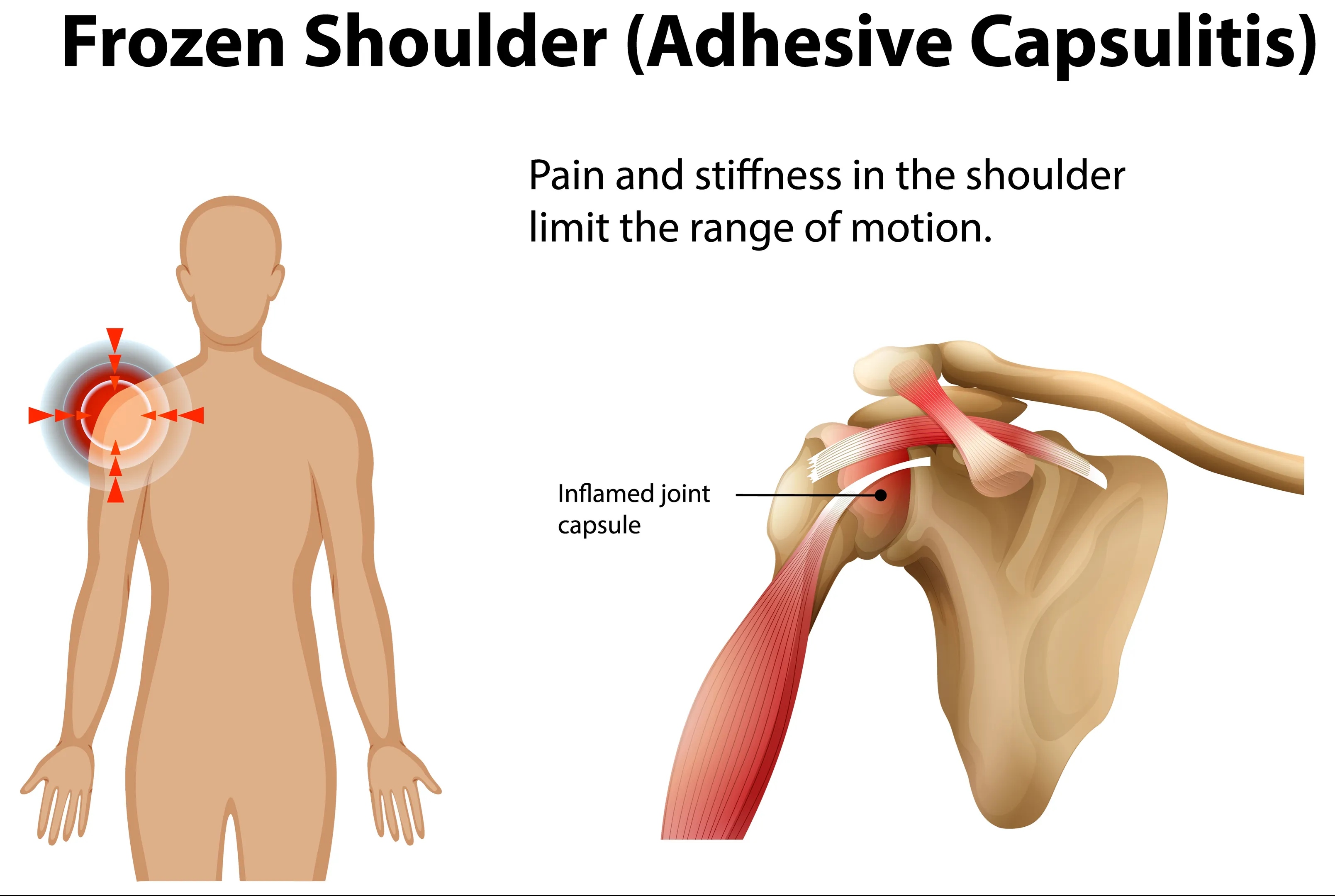
Frozen shoulder is a condition that gradually restricts movement in the shoulder joint, making everyday activities increasingly difficult. Tasks such as reaching overhead, dressing, driving, or even sleeping comfortably can become challenging as stiffness progresses.
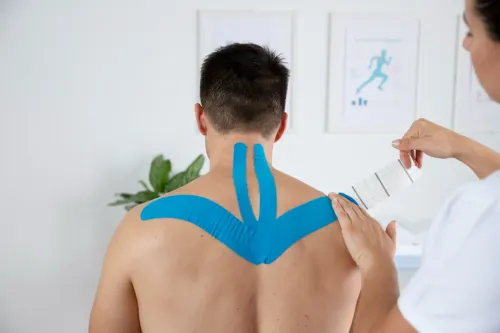
Physiotherapy for Frozen Shoulder plays a central role in managing symptoms and improving shoulder mobility throughout the recovery process. Early treatment often helps individuals maintain function and reduce the impact of progressive stiffness.
Frozen shoulder typically develops in stages. Initially, pain may be the primary concern. As the condition progresses, stiffness becomes more noticeable and movement restrictions increase. Eventually, gradual recovery occurs, although this process can take months or even years without appropriate intervention.
Common symptoms include:
- Shoulder pain
- Progressive stiffness
- Reduced range of motion
- Difficulty reaching behind the back
- Pain during sleep
- Functional limitations in daily activities
The exact cause is not always clear, but frozen shoulder is sometimes associated with diabetes, prolonged immobilization, injury recovery, or post-surgical conditions.
Physiotherapists assess:
- Joint mobility
- Pain levels
- Movement limitations
- Functional challenges
- Muscle strength and coordination
Treatment plans are tailored according to the stage of the condition and the individual's specific needs. Rehabilitation often focuses on maintaining and gradually improving mobility while minimizing unnecessary discomfort.
Common physiotherapy approaches include:
- Gentle mobility exercises
- Stretching programs
- Manual therapy
- Joint mobilization techniques
- Functional movement training
- Home exercise guidance
Residents of Bengaluru, Karnataka frequently seek physiotherapy support for shoulder conditions because early intervention can help preserve movement and improve daily function. Waiting too long before seeking treatment may allow stiffness to become more pronounced.
Consistency is particularly important during frozen shoulder rehabilitation. Recovery often occurs gradually, and regular participation in prescribed exercises can contribute significantly to improved outcomes.
Apex Physiotherapy supports patients experiencing frozen shoulder through individualized rehabilitation plans based on evidence-based physiotherapy principles. The clinic's focus on personalized care helps patients navigate each stage of recovery more effectively.
Although frozen shoulder can be frustrating and limiting, structured physiotherapy often provides valuable support in restoring movement, improving function, and helping individuals regain confidence in daily activities.
Keywords