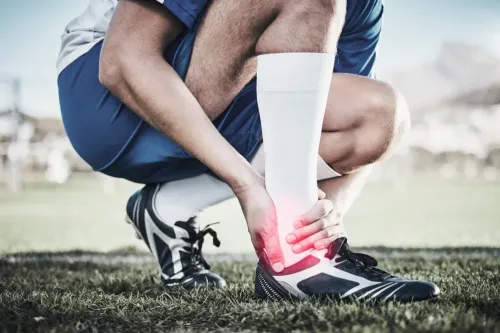
A sports injury can interrupt your routine, affect your performance, and even discourage you from staying active. Whether you're a professional athlete, a weekend cricketer, a runner, or someone who enjoys regular gym workouts, recovering properly is just as important as preventing the injury itself. Sports injury rehabilitation and conditioning focuses on restoring strength, improving mobility, and helping you return to your activities safely without increasing the risk of re-injury.
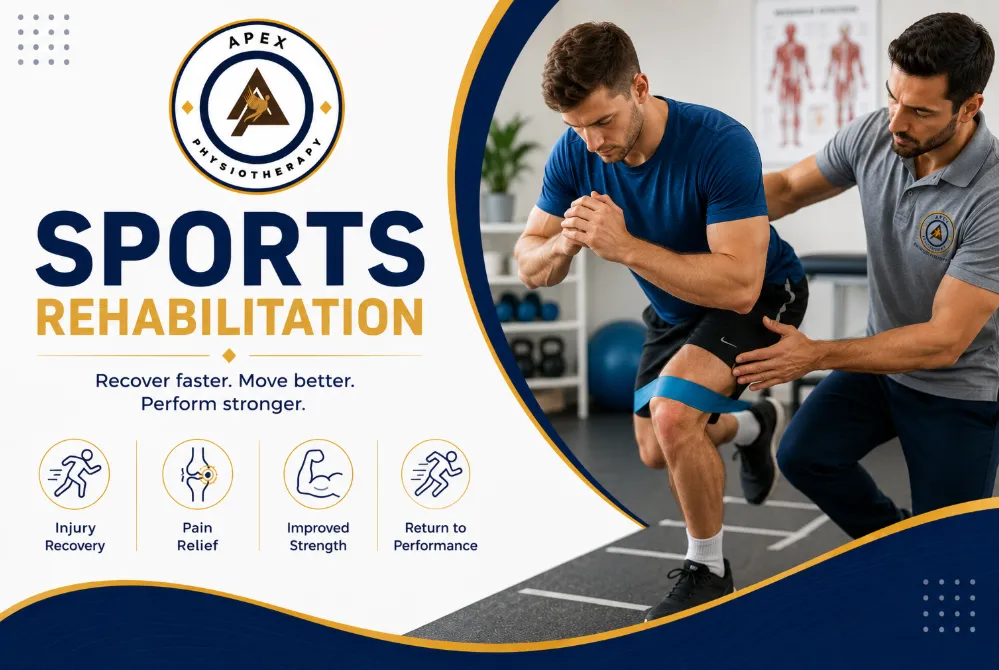
For active individuals in Bellandur, where fitness centres, running groups, cycling clubs, and recreational sports are becoming increasingly popular, professional physiotherapy plays an important role in complete recovery. Apex Physiotherapy Clinic provides personalized rehabilitation programs that focus on identifying the root cause of an injury while helping patients regain confidence through structured recovery plans.
Understanding Sports Injury Rehabilitation
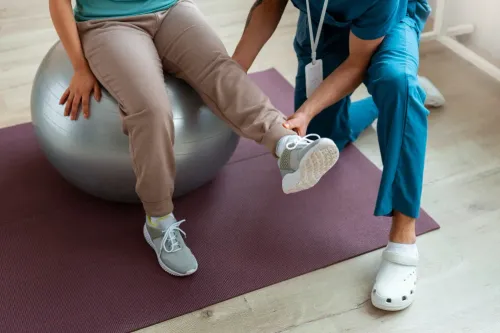
Sports injury rehabilitation is a systematic recovery process that restores normal function after an injury. Instead of simply treating pain, physiotherapists evaluate movement patterns, muscle strength, flexibility, balance, and joint stability to create an individualized treatment plan.
Rehabilitation commonly helps people recovering from:
- Muscle strains
- Ligament sprains
- Tendon injuries
- ACL injuries
- Meniscus injuries
- Shoulder instability
- Tennis elbow
- Ankle sprains
- Rotator cuff injuries
- Hamstring tears
Every injury heals differently, which is why rehabilitation programs should always be customized according to the individual's condition, age, activity level, and fitness goals.
Why Conditioning Is Just as Important as Rehabilitation
Pain relief does not necessarily mean the body is ready to resume sports. Many injuries recur because people return to activity before rebuilding their strength and stability.
Conditioning bridges this gap by gradually preparing the body for physical demands through carefully planned exercises.
A conditioning program usually includes:
- Strength training
- Balance exercises
- Agility drills
- Endurance improvement
- Flexibility training
- Core strengthening
- Sport-specific movement practice
These exercises improve overall performance while reducing the likelihood of future injuries.
Stages of Recovery
A structured rehabilitation program generally progresses through different phases.
Pain and Inflammation Management
The first stage focuses on reducing swelling, minimizing pain, and protecting injured tissues through gentle therapeutic techniques and controlled movement.
Restoring Mobility
As healing progresses, exercises are introduced to improve flexibility and restore normal joint movement.
Strength Building
Weak muscles often contribute to recurring injuries. Progressive strengthening exercises improve muscle endurance and joint stability.
Functional Training
Patients gradually perform movements that mimic daily activities and sporting actions, preparing the body for higher physical demands.
Return to Sport
The final stage includes sport-specific drills that help individuals safely return to competition or recreational activities.
Common Mistakes That Delay Recovery
Many people unknowingly slow their recovery by making avoidable mistakes.
These include:
- Returning to sports too early
- Ignoring mild pain
- Skipping rehabilitation sessions
- Performing incorrect exercises
- Avoiding strength training
- Relying only on pain medication
- Not addressing movement imbalances
Following professional guidance significantly improves long-term recovery outcomes.
Benefits Beyond Healing
Sports rehabilitation provides several lasting advantages beyond recovering from a single injury.
These include:
- Better flexibility
- Improved balance
- Increased muscular strength
- Enhanced athletic performance
- Better joint stability
- Reduced risk of future injuries
- Improved posture during physical activity
- Greater confidence while exercising
Many athletes continue conditioning exercises even after recovery to maintain peak physical performance.
When Should You See a Physiotherapist?
Early intervention often leads to faster and more complete recovery.
Consider scheduling an assessment if you experience:
- Persistent joint pain
- Swelling after activity
- Difficulty walking or running
- Recurrent sports injuries
- Limited range of motion
- Muscle weakness
- Instability while moving
- Pain that returns during exercise
Ignoring these symptoms may allow minor injuries to become chronic problems.
Recovery Requires Consistency
Successful rehabilitation is rarely about one treatment session. Consistency with physiotherapy appointments, home exercises, and gradual progression produces the best outcomes. Recovery timelines vary depending on the injury, but following a structured program reduces setbacks and supports long-term physical health.
Whether you're training for your next marathon, returning to football, or simply trying to stay active around Bengaluru, investing in proper rehabilitation is one of the smartest decisions you can make for your body.
If you're recovering from a sports injury or want to return to physical activity safely, Apex Physiotherapy Clinic in Bellandur provides personalized sports injury rehabilitation and conditioning programs designed to restore movement, rebuild strength, and help you confidently get back to doing what you enjoy most.
Keywords